The Two Things That Explain Most Land Values

The Two Things That Explain Most Land Values

Forget the noise. When it comes to what land is really worth, the answer is simpler than most people think.

March 13, 2026 | Steve Link

People love to overcomplicate land values. Ask someone why a quarter section sold for top dollar and you'll hear about interest rates, trade policy, the price of corn last Tuesday, and whatever the Fed chair said at breakfast.

Those things matter. But they usually aren't the biggest drivers.

If you strip land value down to its core, two things explain most of the price a property ultimately sells for: where the land is and what the land physically is.

That's it. Two things. And once you understand them, the land market starts making a lot more sense.

Location Is More Than a Pin on a Map

When we talk about location, we're not just talking about the county or the township. We're talking about the whole story of a place.

Is this an area where land rarely comes up for sale? Are the surrounding neighbors strong operators with strong balance sheets? Does the region support specialty crops, or does it sit in a corridor where development pressure is quietly building?

Here's something that surprises people: some of the strongest land values in the Upper Midwest aren't in the most famous farming counties. They're in pockets where ownership almost never turns over. When something finally does come to market in those areas, the competition can be fierce because buyers know the next opportunity might be years away.

Proximity matters too. Land near grain elevators, ethanol plants, rail lines, or growing towns often carries a premium that has nothing to do with soil type. Infrastructure creates efficiency, and efficiency creates value.

Physical Characteristics Are the Other Half

Now let's talk about the dirt itself.

Land that consistently performs tends to share a few traits: loamy soils, good natural drainage, uniform soil types across the field, and topography that lets modern equipment run efficiently. A combine operator will tell you in about five minutes whether a field is a pleasure to farm or a headache.

Buyers pay premiums for predictability. Land that doesn't flood. Land that avoids the worst frost pockets. Land that doesn't need $1200 per acre in tile drainage just to hit average yields. When a field produces consistent results year after year, it lowers risk, and lower risk always attracts stronger money.

Consider this: USDA soil productivity ratings have been around for decades, and the highest rated ground almost always commands the highest prices. It's not a coincidence. The market has been confirming the same fundamentals for generations.

Why These Two Things Compound Over Time

You can improve land with drainage, fertility programs, or clearing old fencerows. But you cannot move it. You can't recreate the same soils somewhere else, and you can't manufacture proximity to a strong agricultural region.

That's why location and physical attributes tend to compound. They attract better tenants, stronger buyers, and deeper competition whenever a property hits the market.

Markets will move up and down. Commodity cycles will come and go. But the fundamentals that drive land value? Those stay put.

And in the long run, they explain more about price than almost anything else.

Author Bio: Steve Link is a broker with Pifer's Auction & Realty, specializing in farm, ranch, and recreational land across the Upper Midwest. Steve grew up on a farm near Milan, Minnesota and earned a degree in Natural Resource Management from North Dakota State University (NDSU). With decades of experience in land sales, auctions, and land management, Steve works closely with landowners, investors, and agricultural operators to help them make informed decisions about one of their most valuable assets, land.
160 Acres - Grand Forks County, ND

160 Acres - Grand Forks County, ND

Auction Note

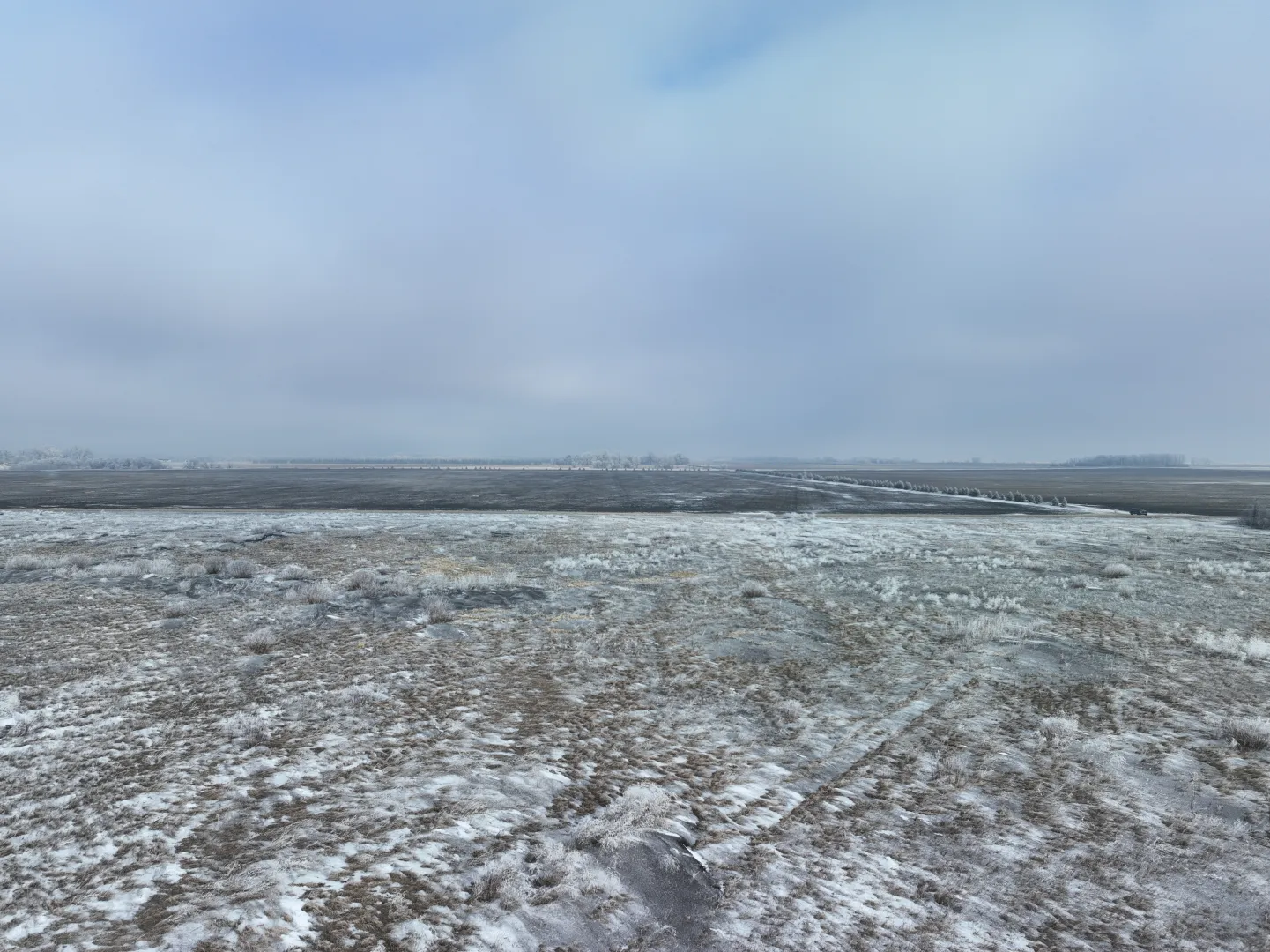
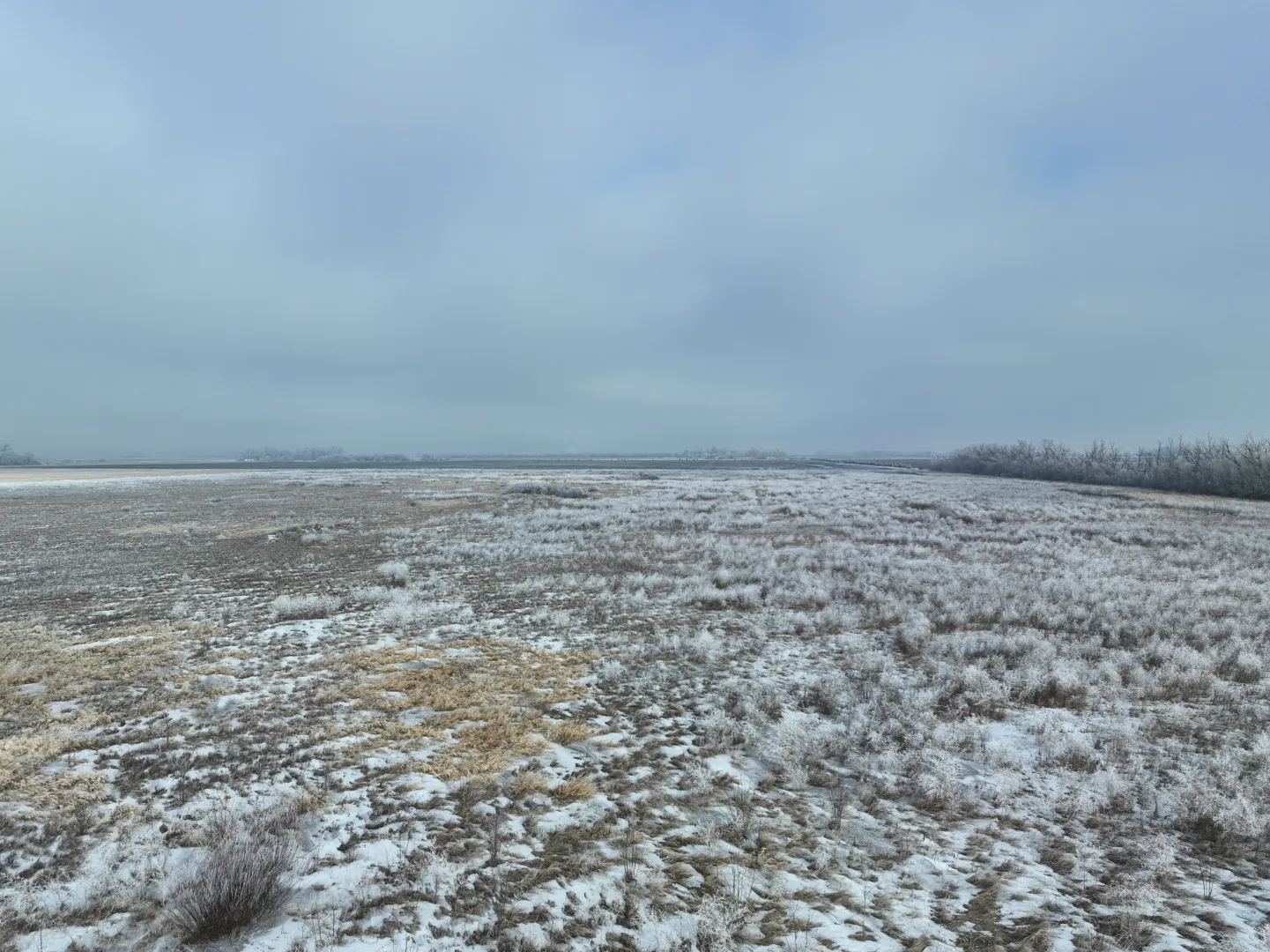
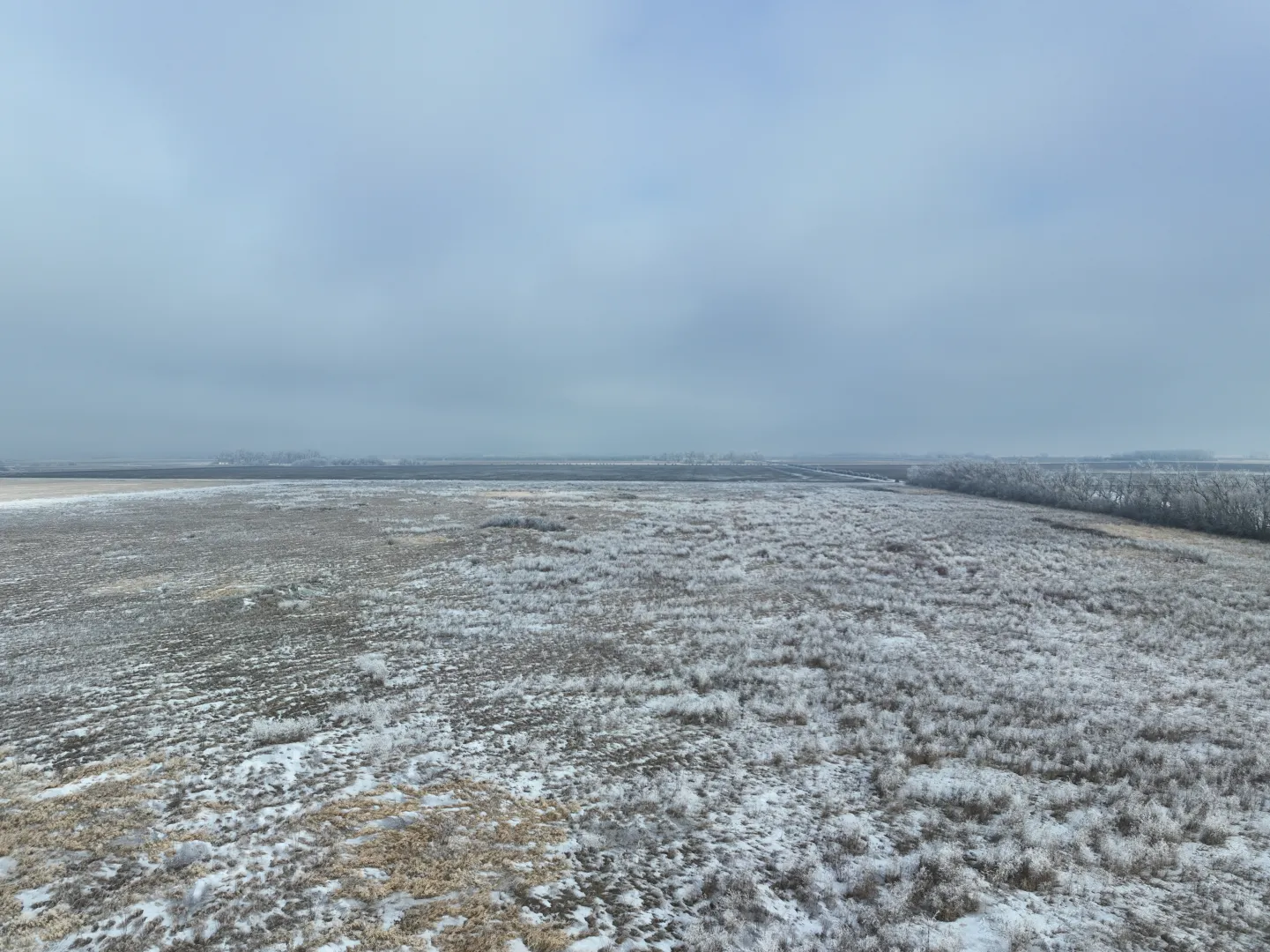
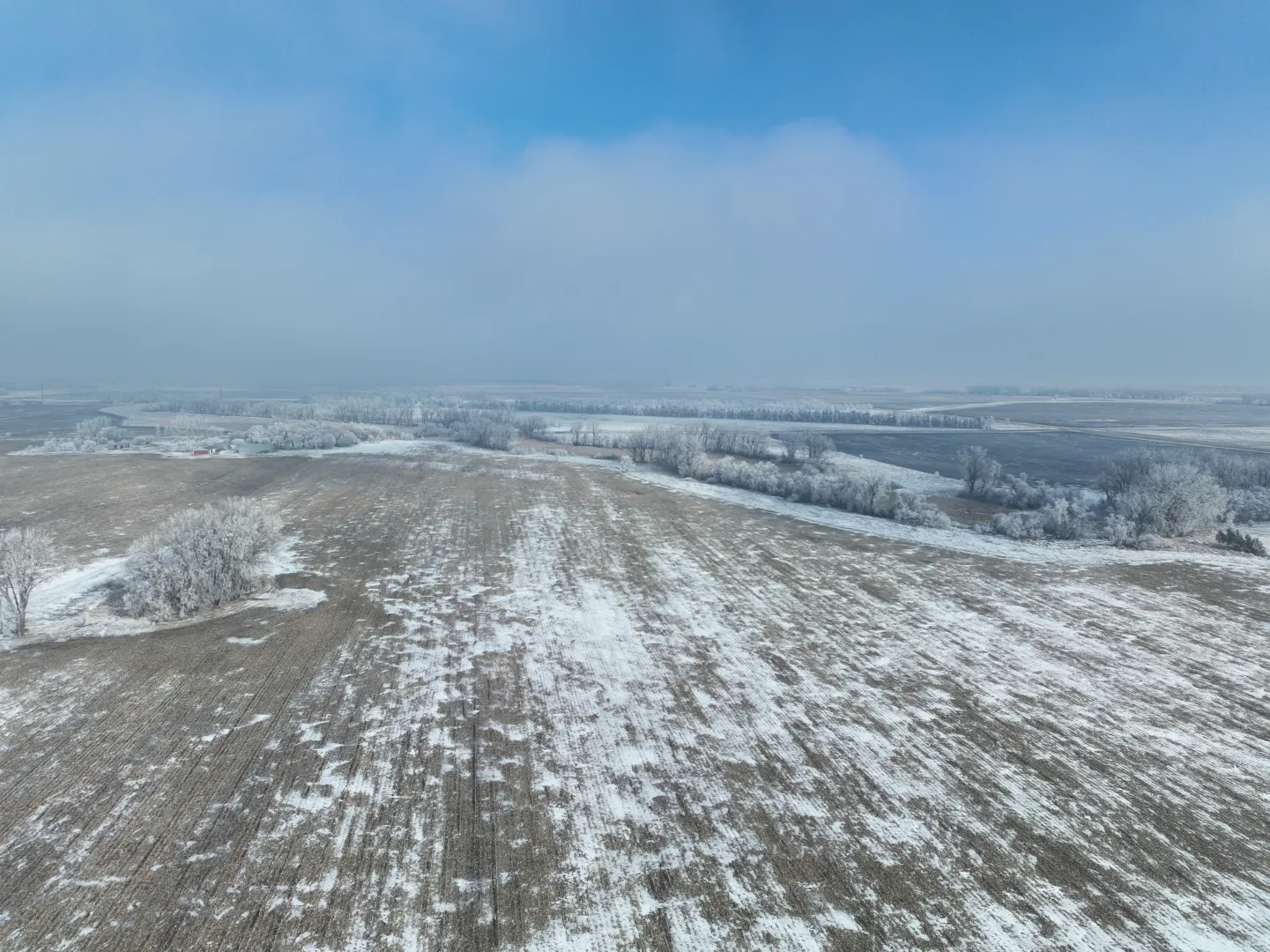
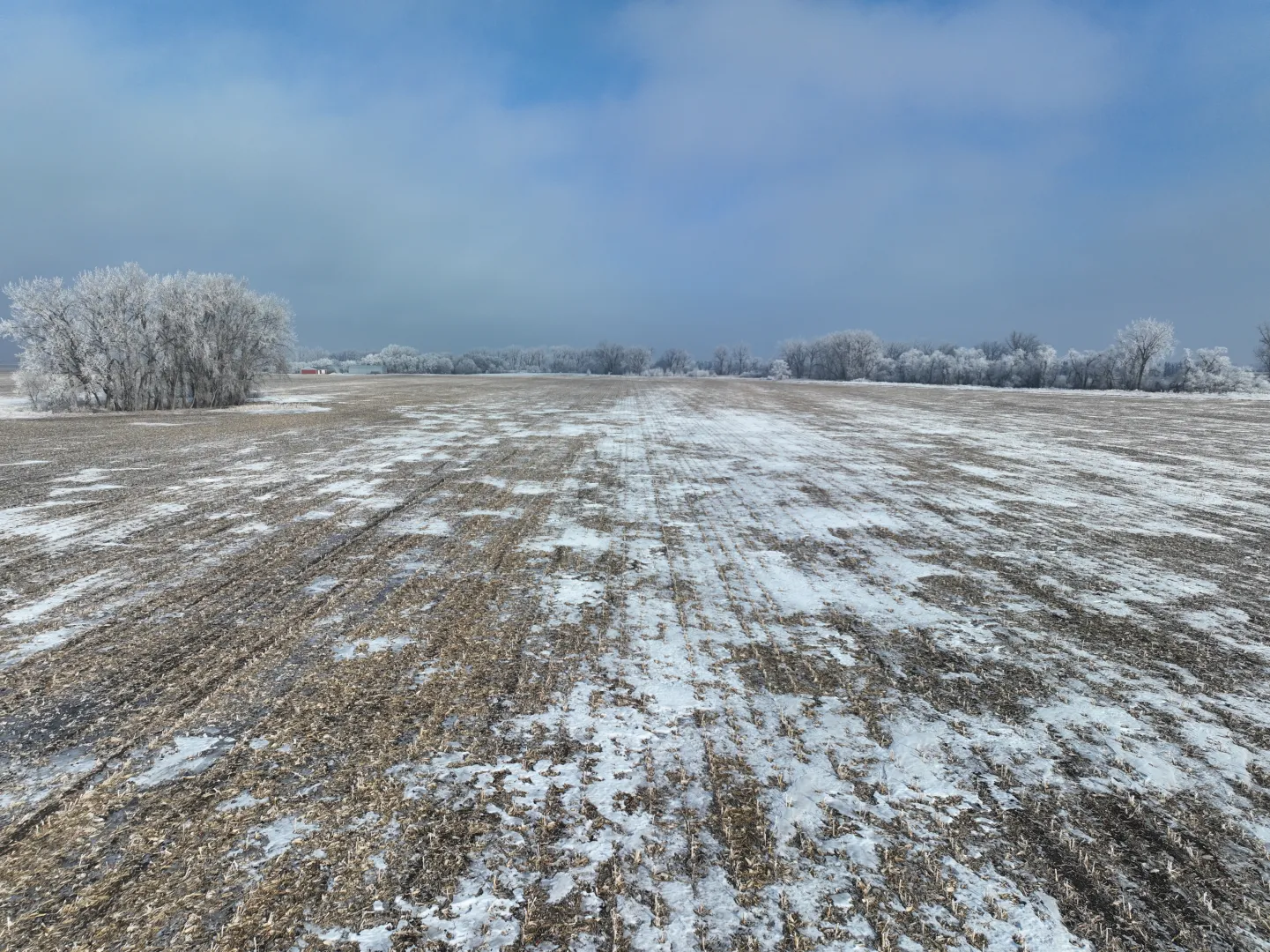
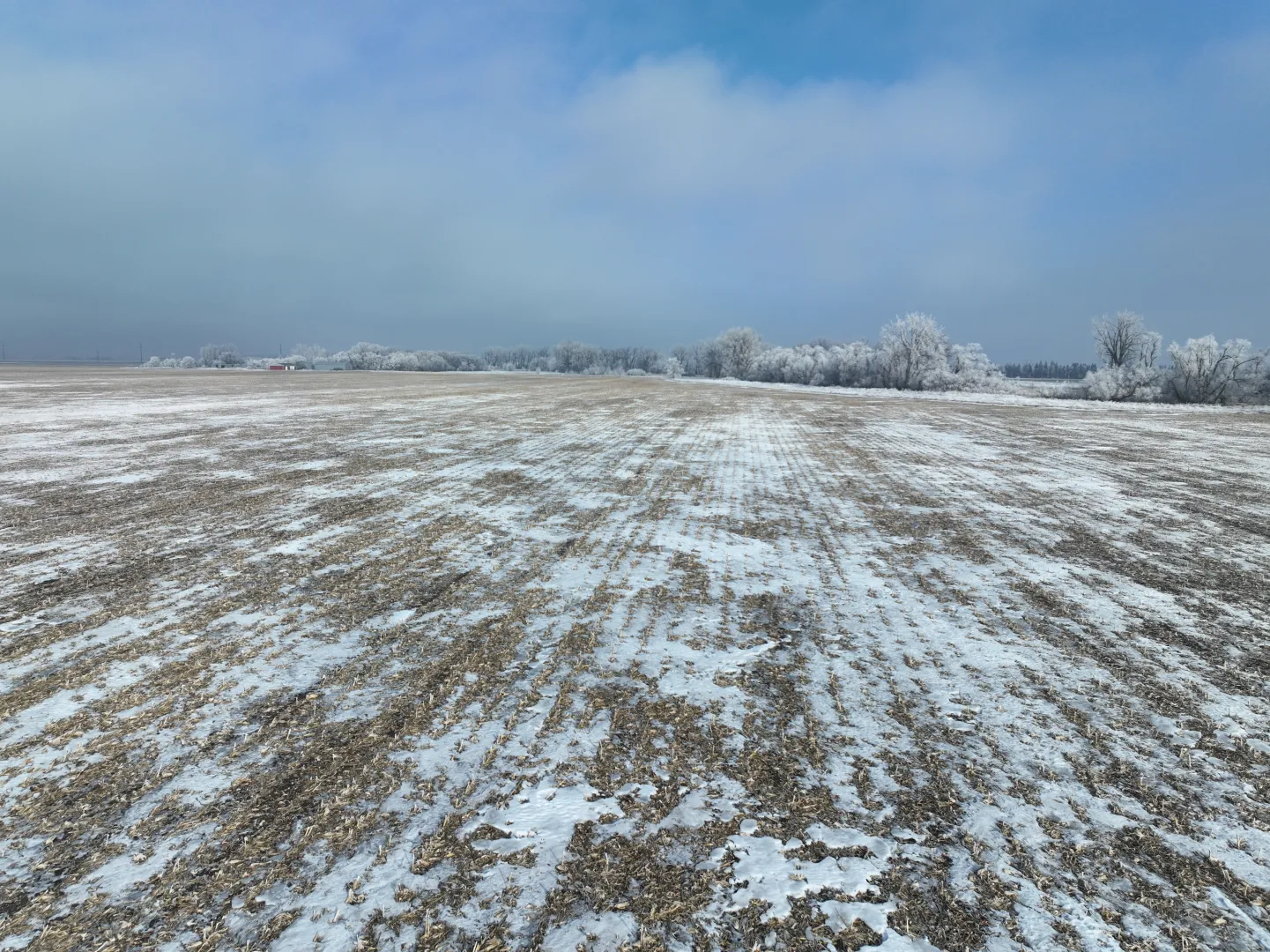
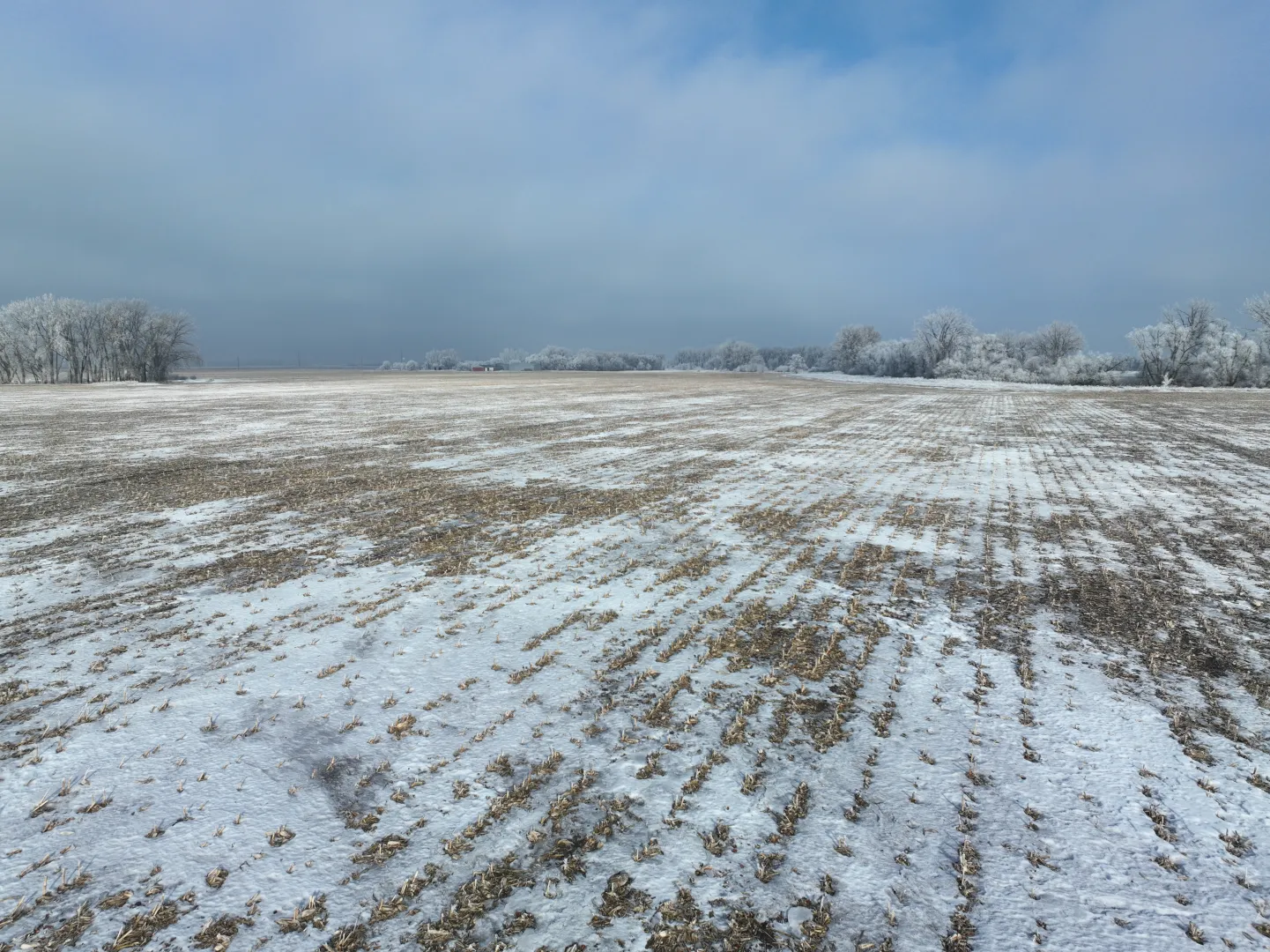
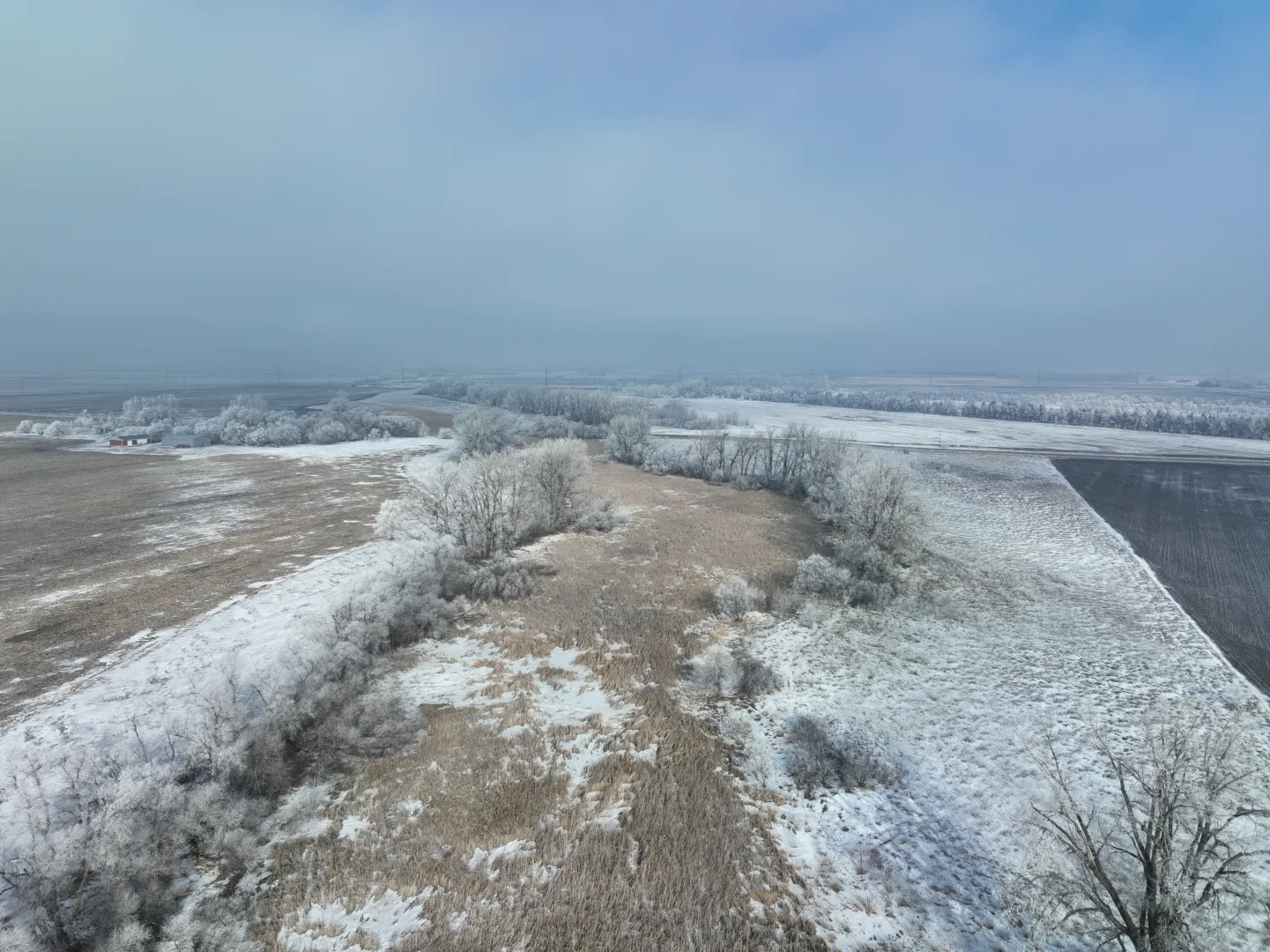
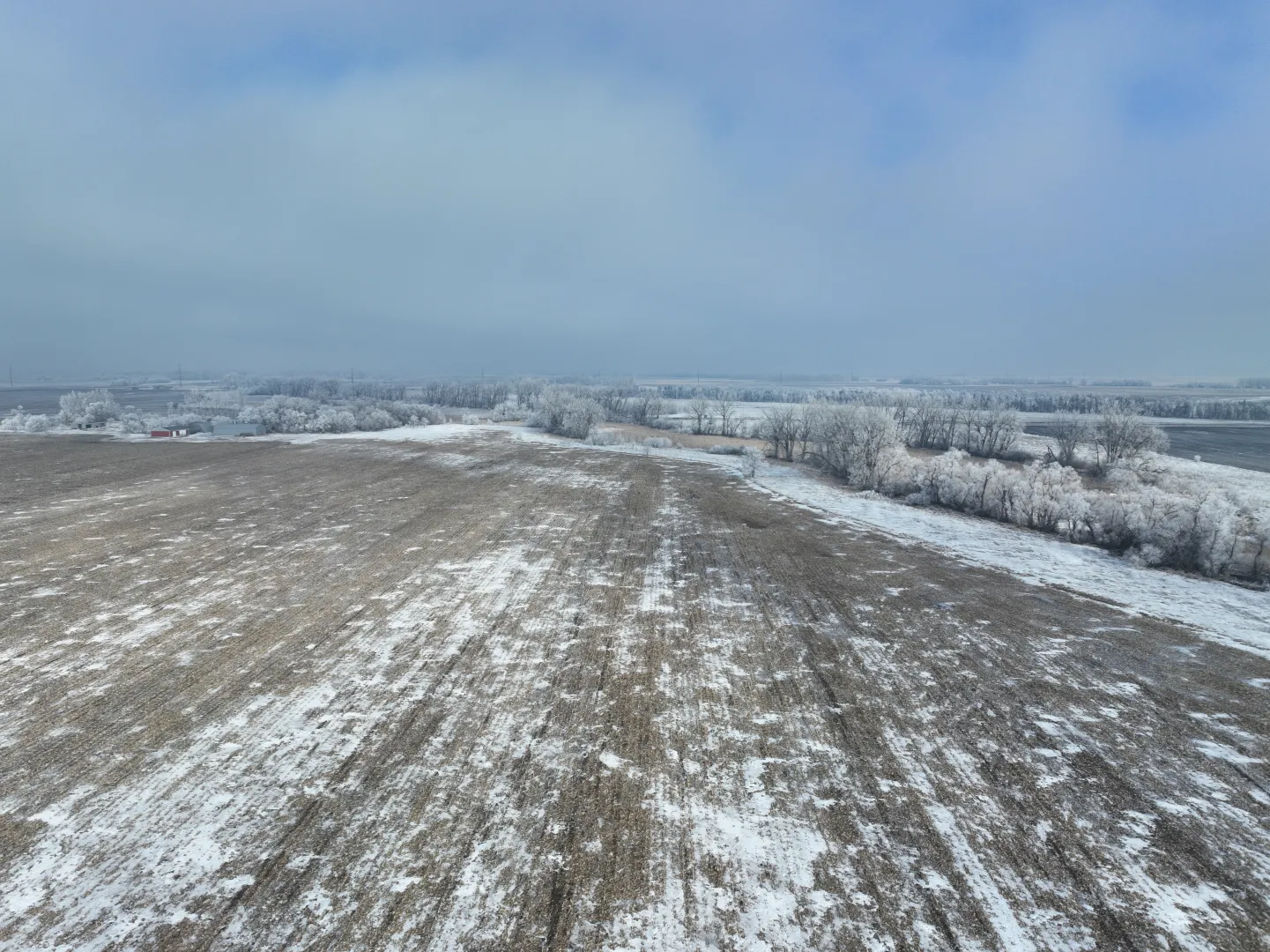
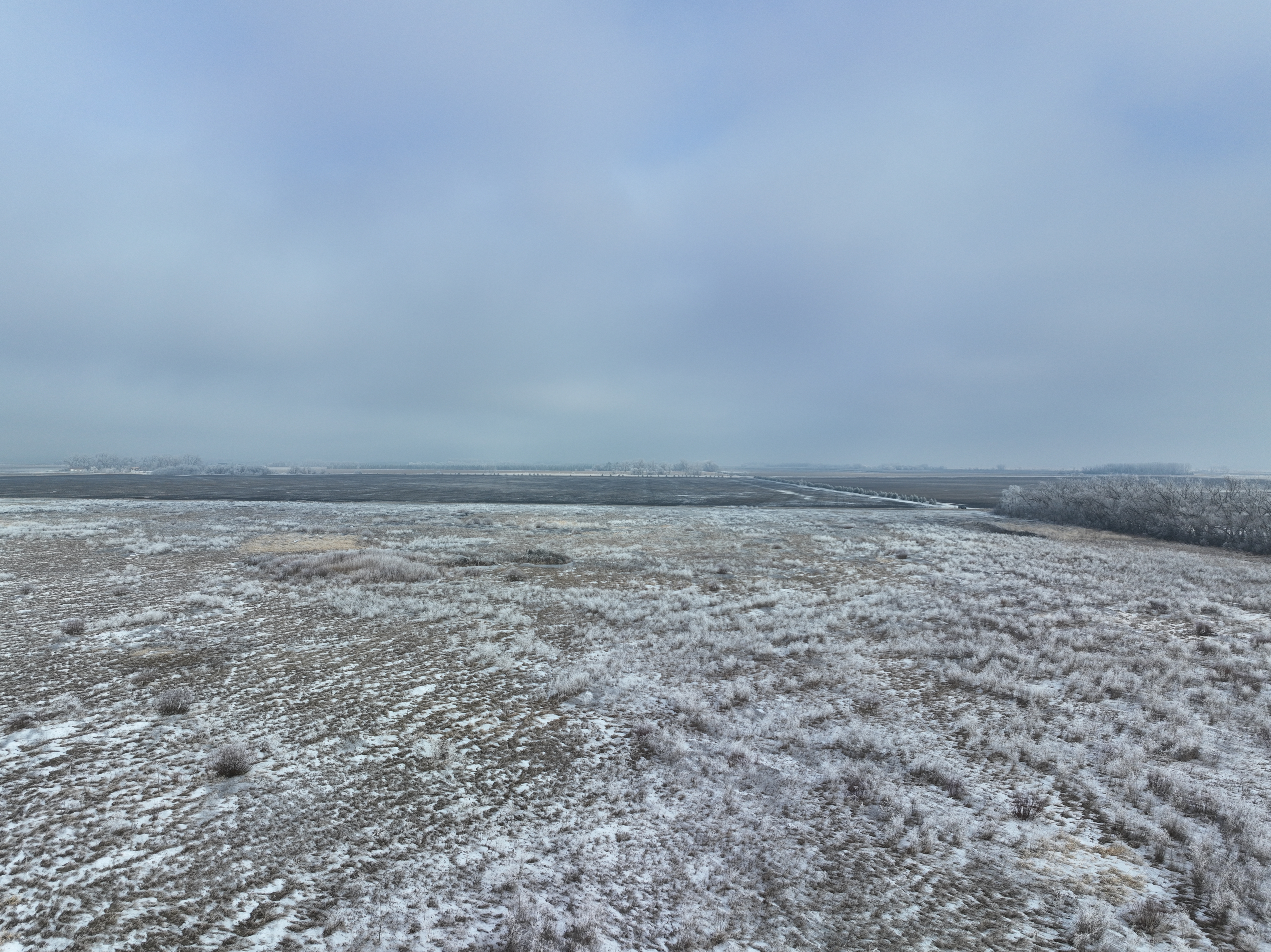
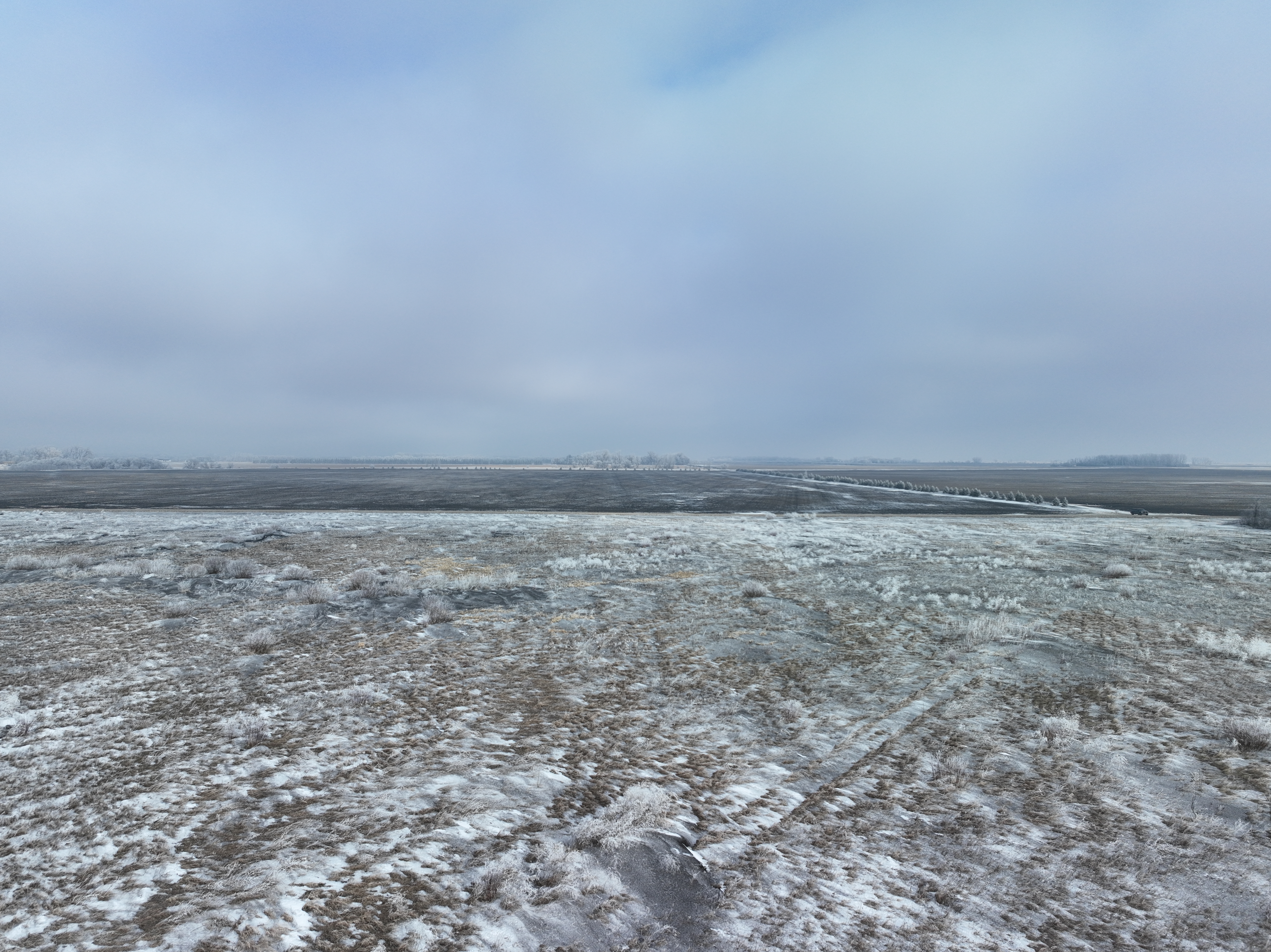
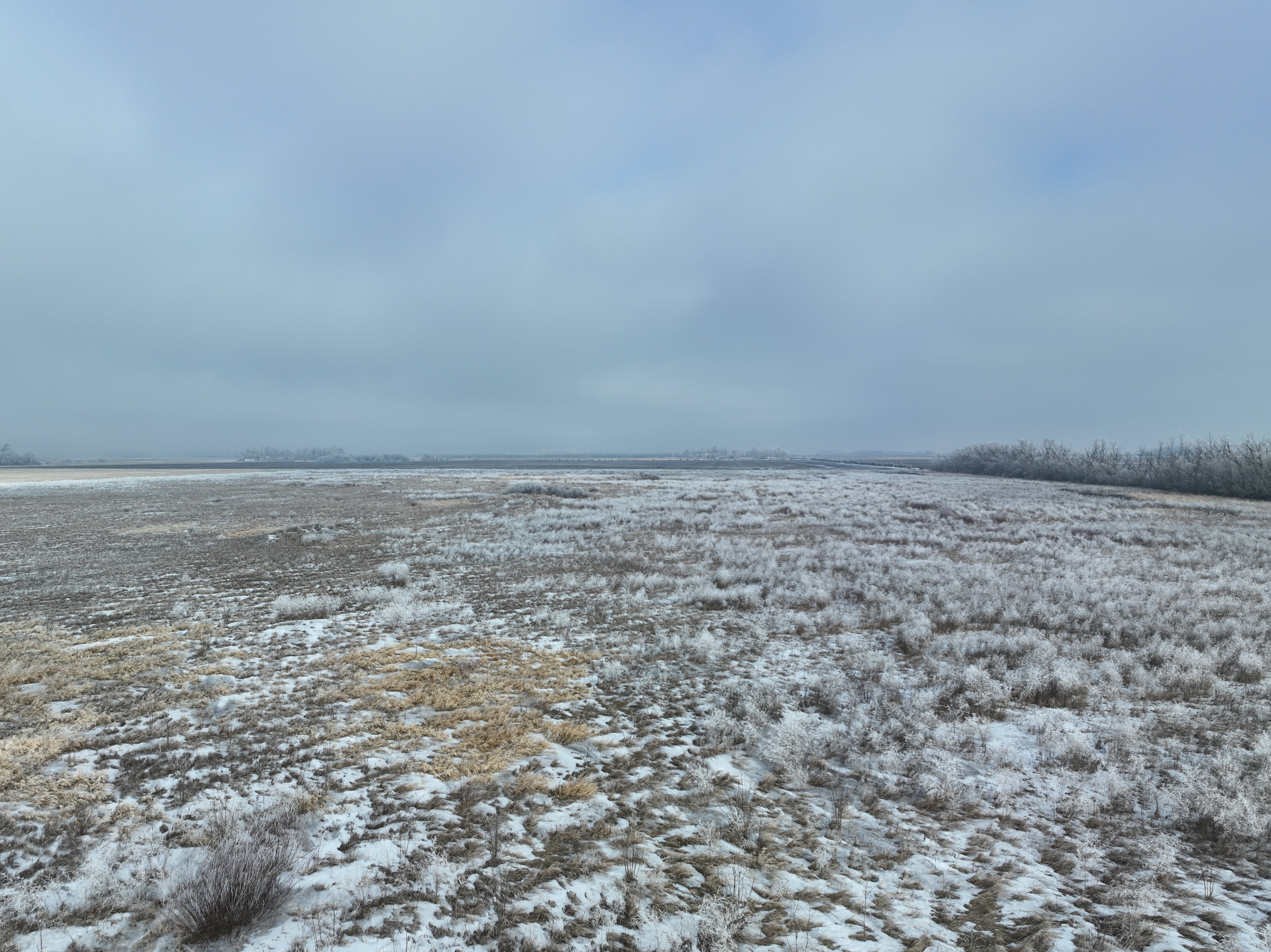
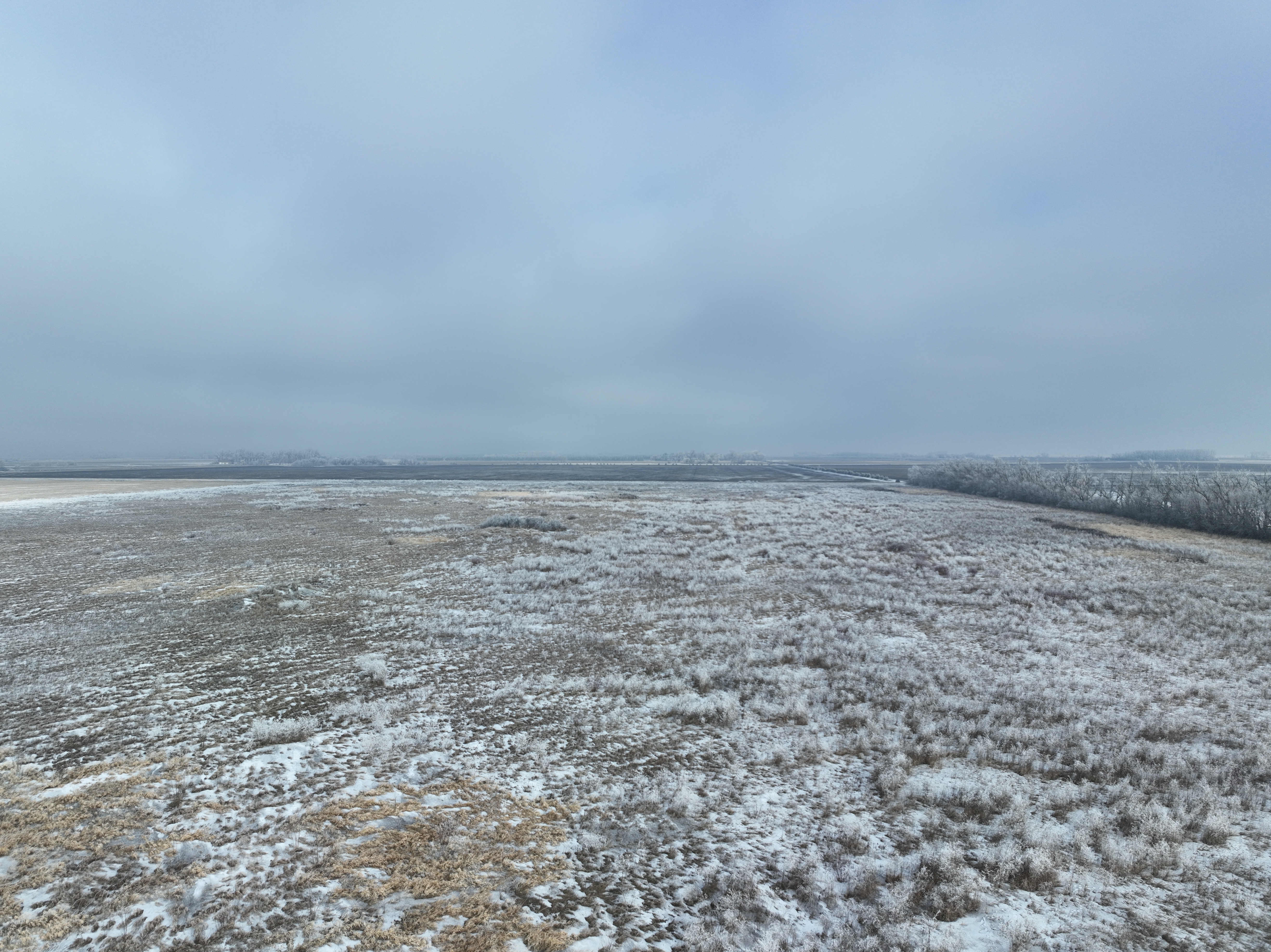
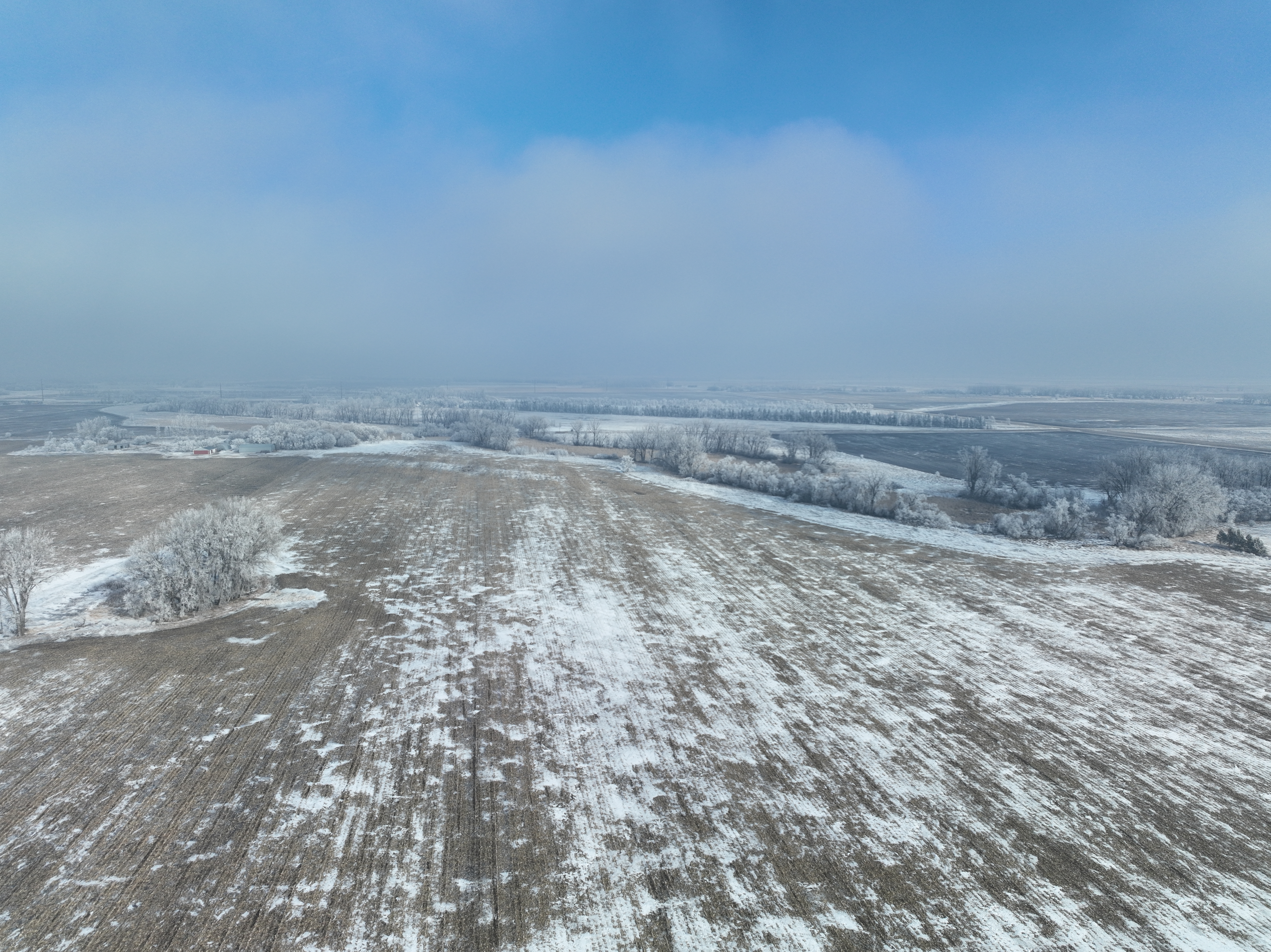
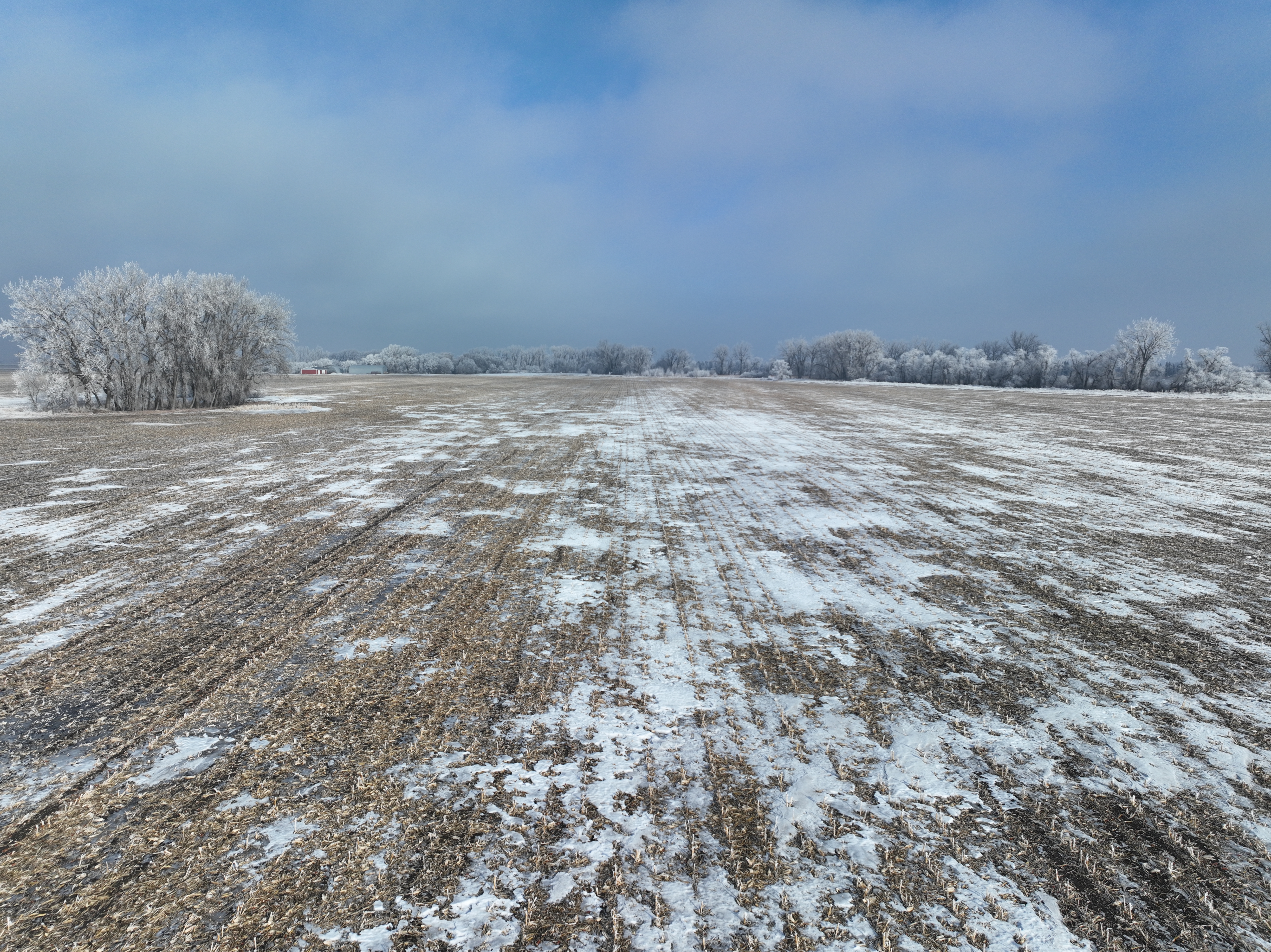
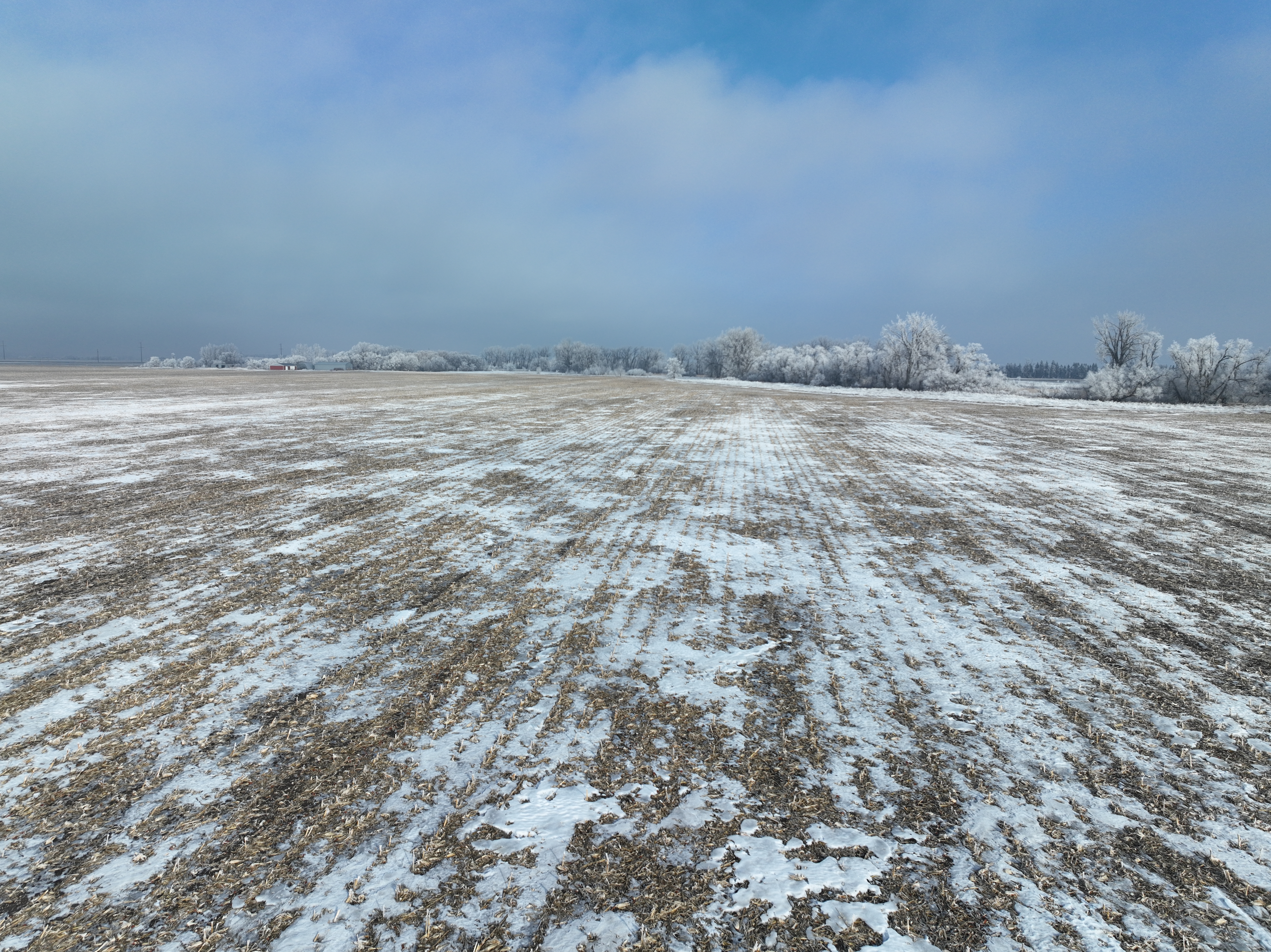
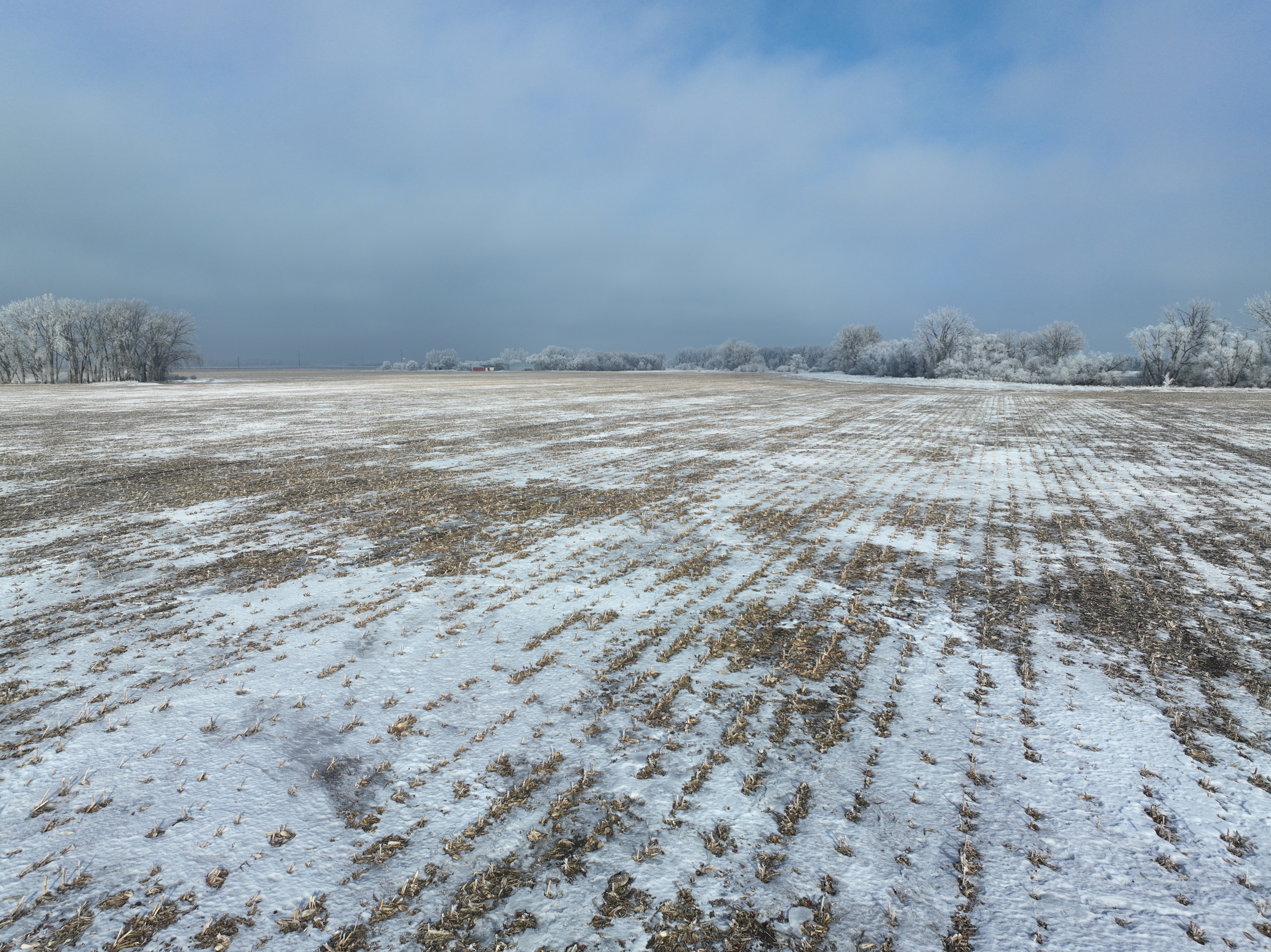
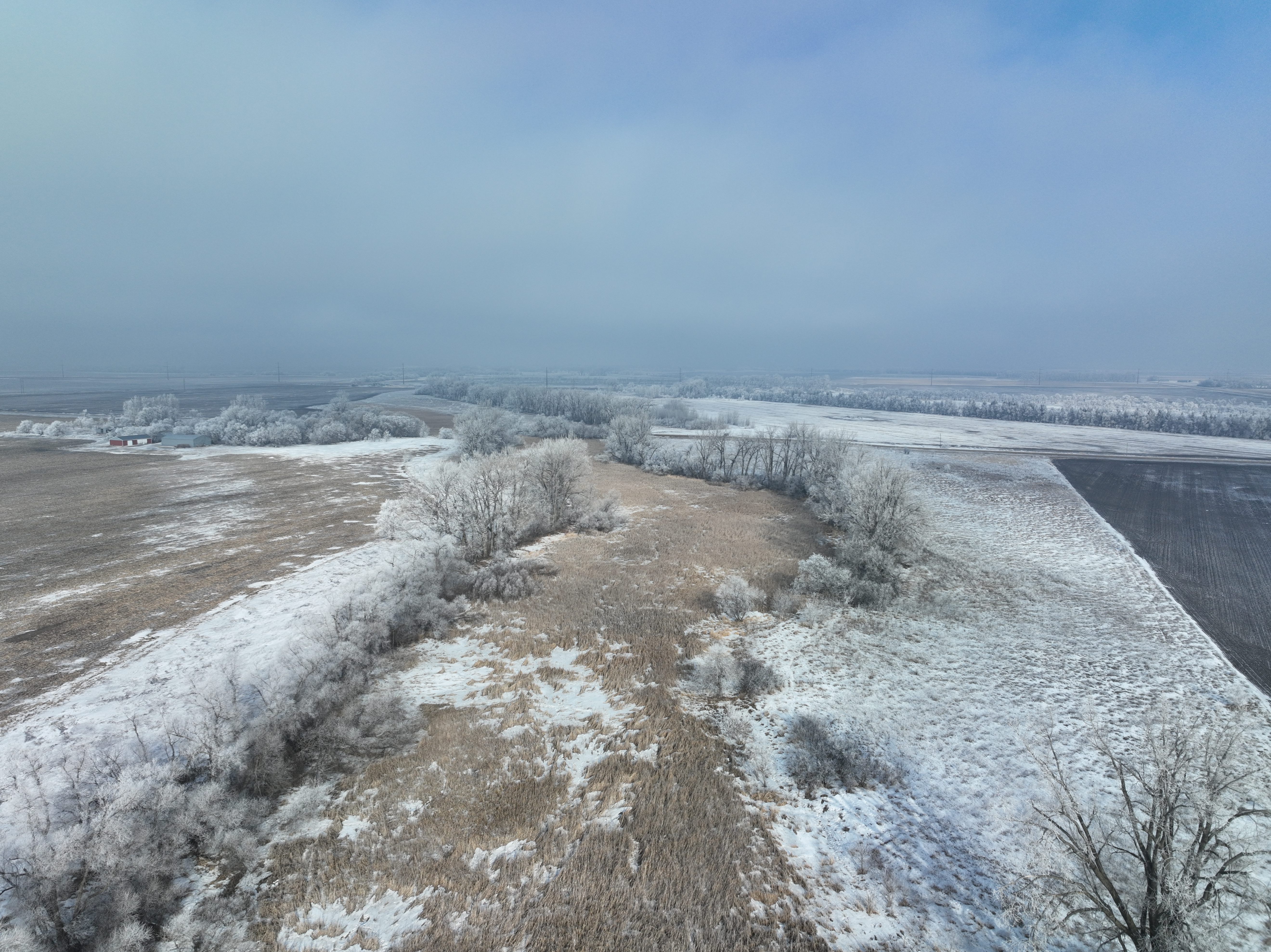
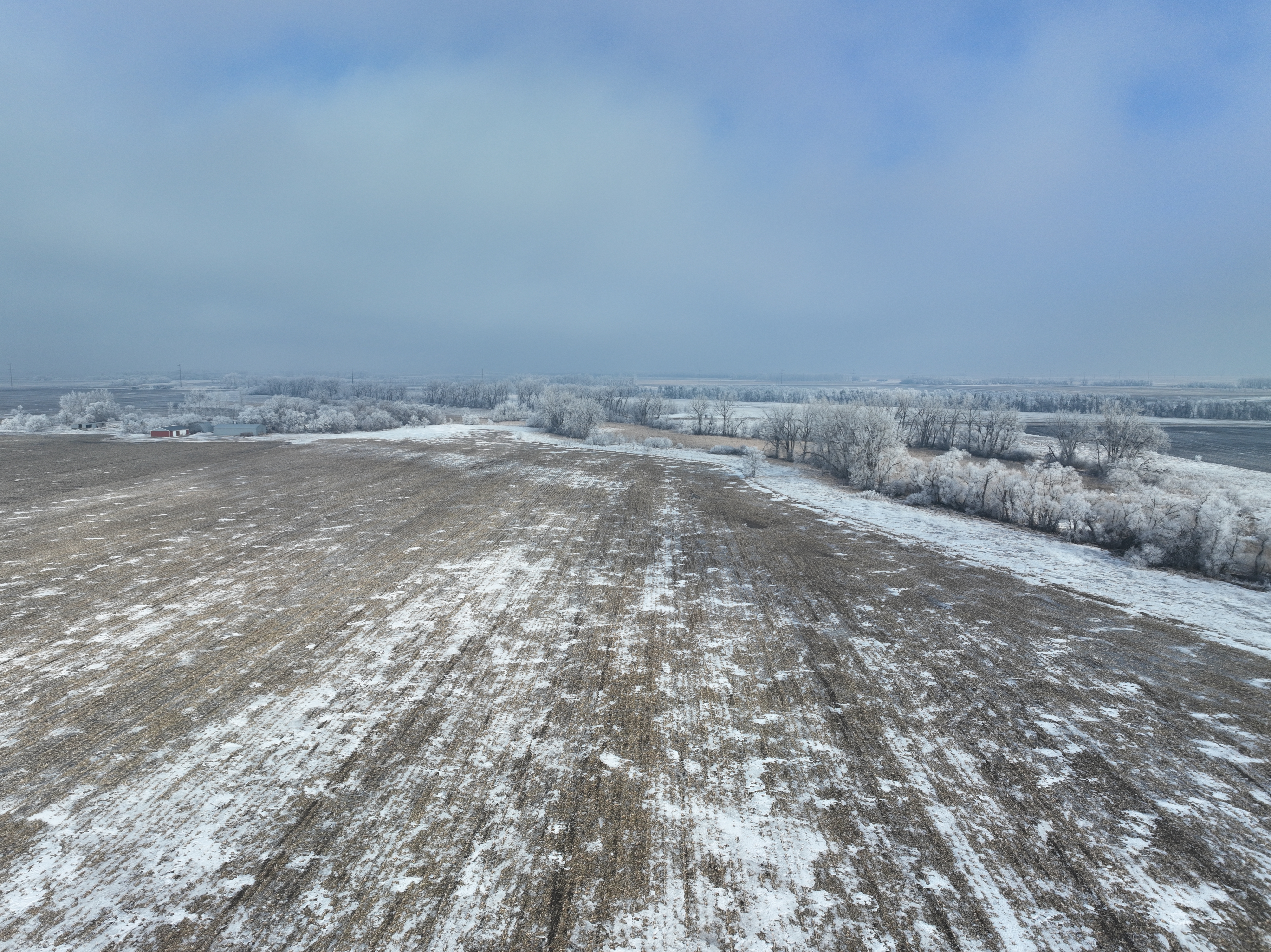
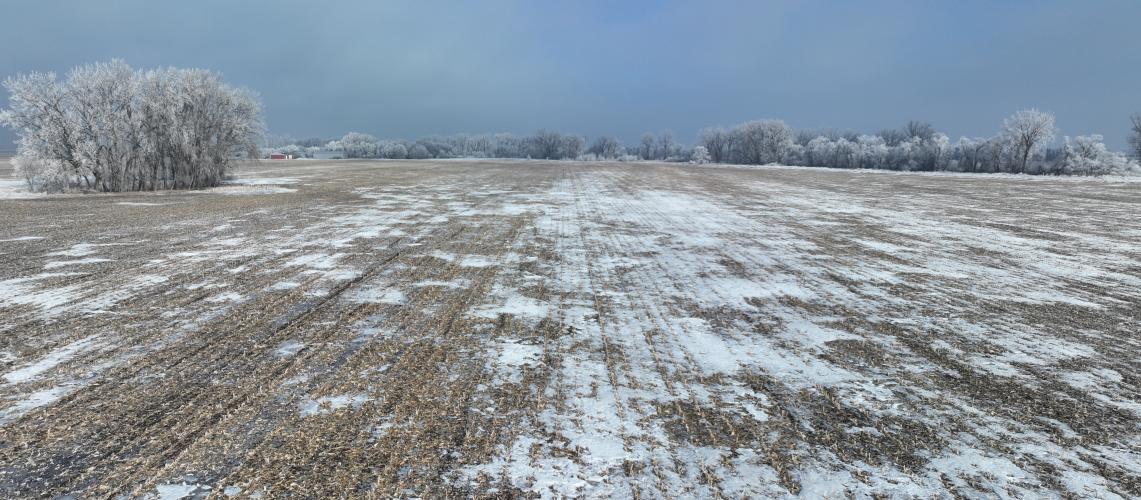
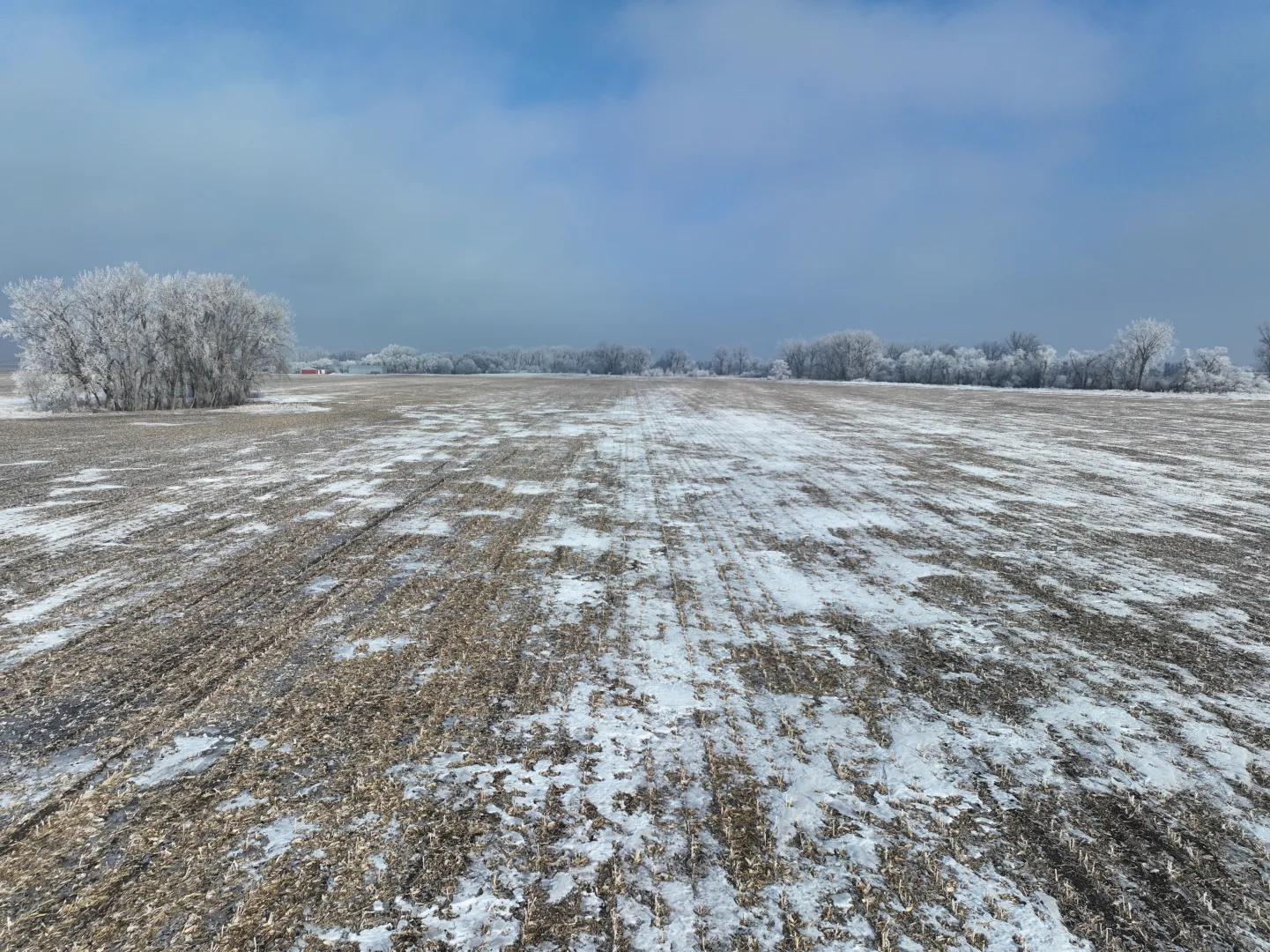
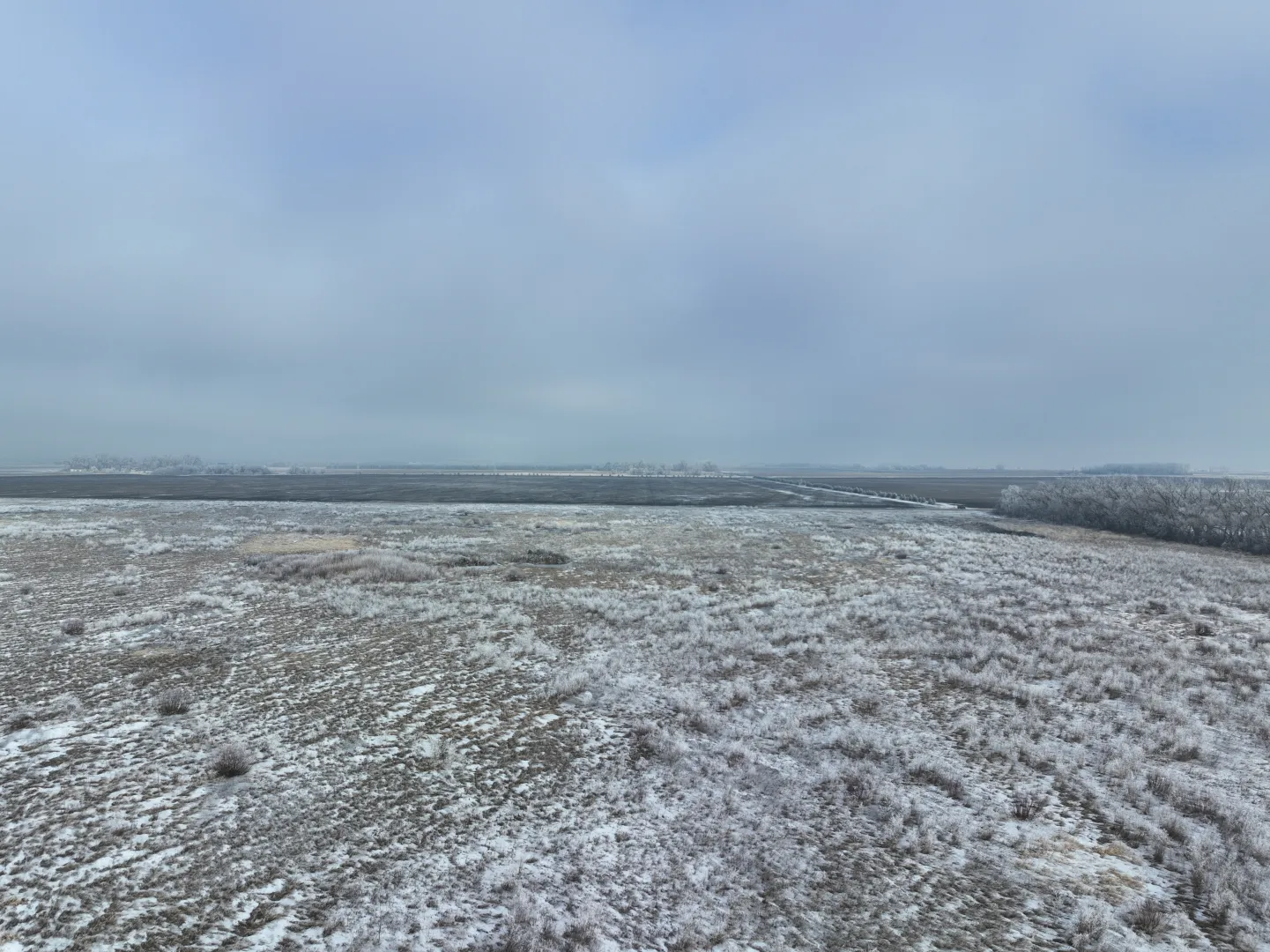
This land between Thompson & Emerado features 160 +/- acres, including productive cropland and CRP (Conservation Reserve Program). The cropland has a great cropping history with good cropland soils throughout.  The CRP land has a strong payment. Parcels have prime habitat with mature trees and grass sources for whitetail deer, upland birds, and small game.  This is a online auction.

  • Buyer to receive 2026 cropland lease payment.
  • Buyer to receive 2026 CRP payments.
  • Current landlord tenant lease on parcel 2 cropland through November of 2026.
  • Sellers will retain 100% subsurface mineral rights owned as of record.
  • No US Fish & Wildlife Easements.

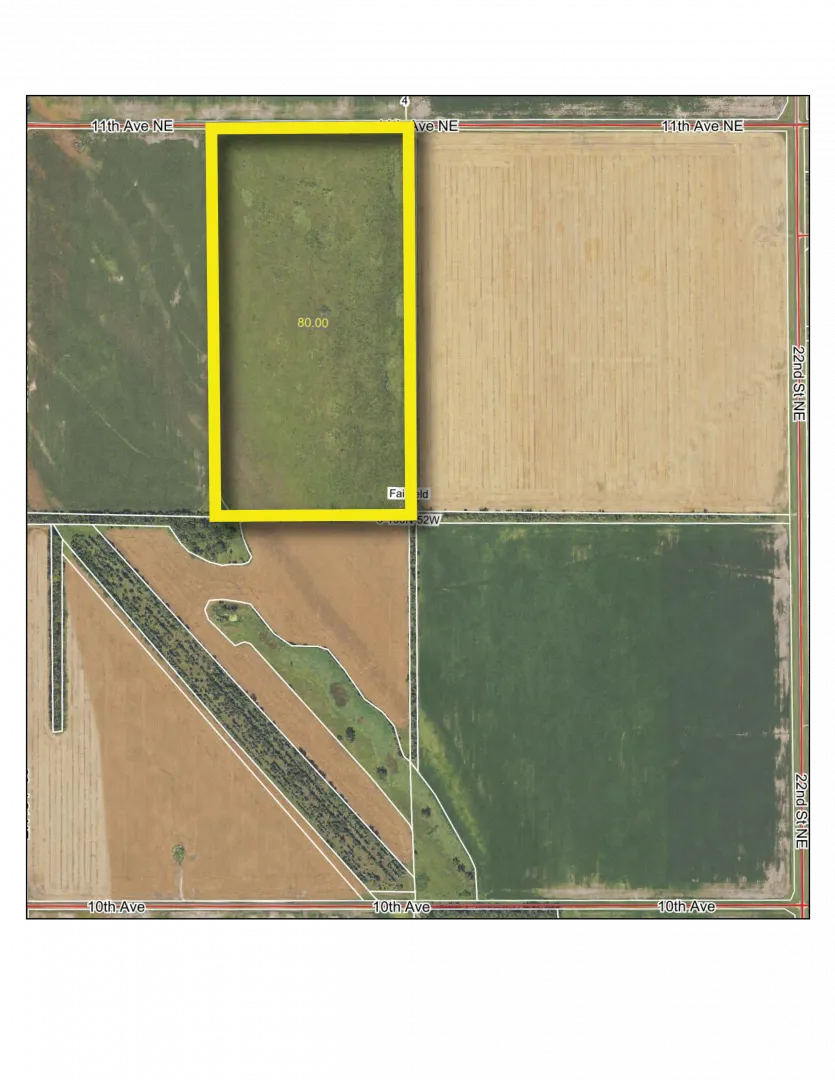
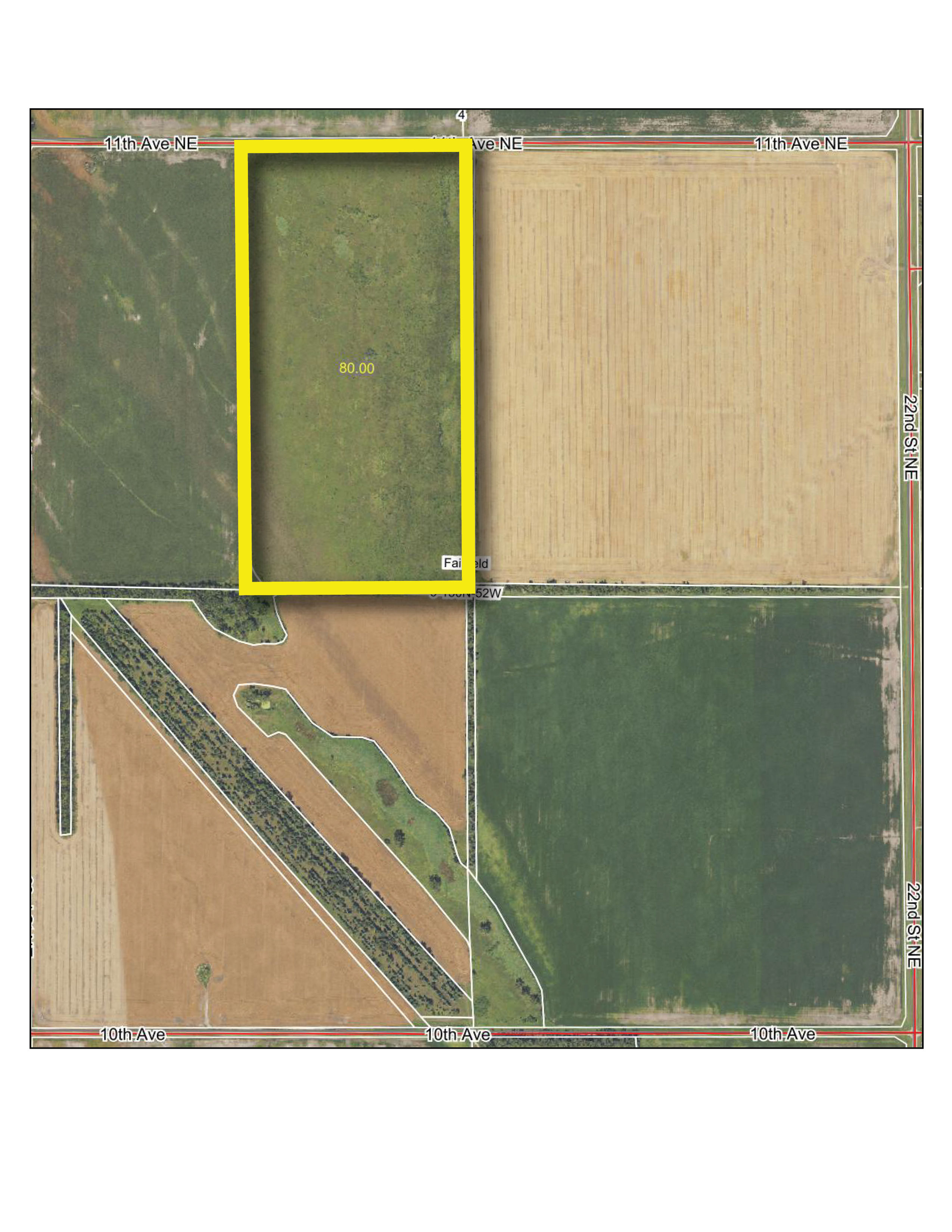
Parcel 1

Acres: 80 +/-
Legal: E½NW¼ 9-150-52
CRP Acres: 78.2 +/- Acres @ $58.03/ac. - $4,539.00/annually – Expires: 9-30-2027 – Practice No. CP18C
Taxes: $659.94 (2025)

Tax Parcel #: 12-0902-00001-000

Parcel 2

Acres: 80 +/-
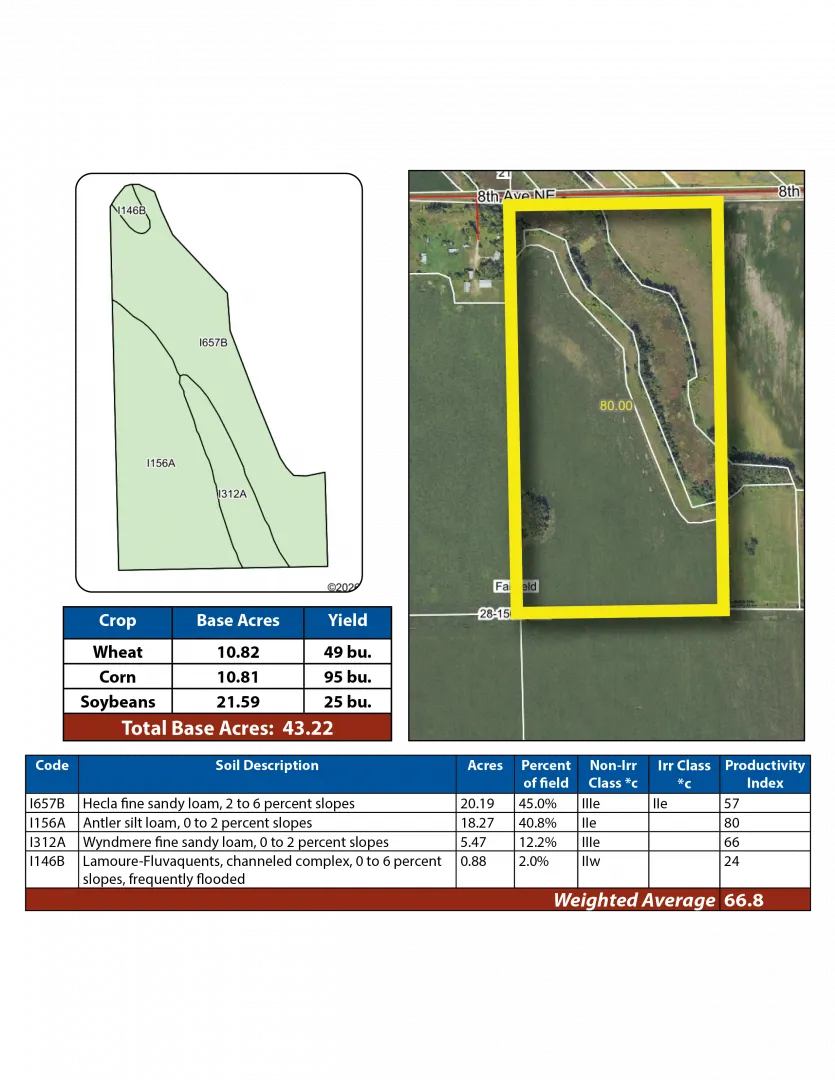
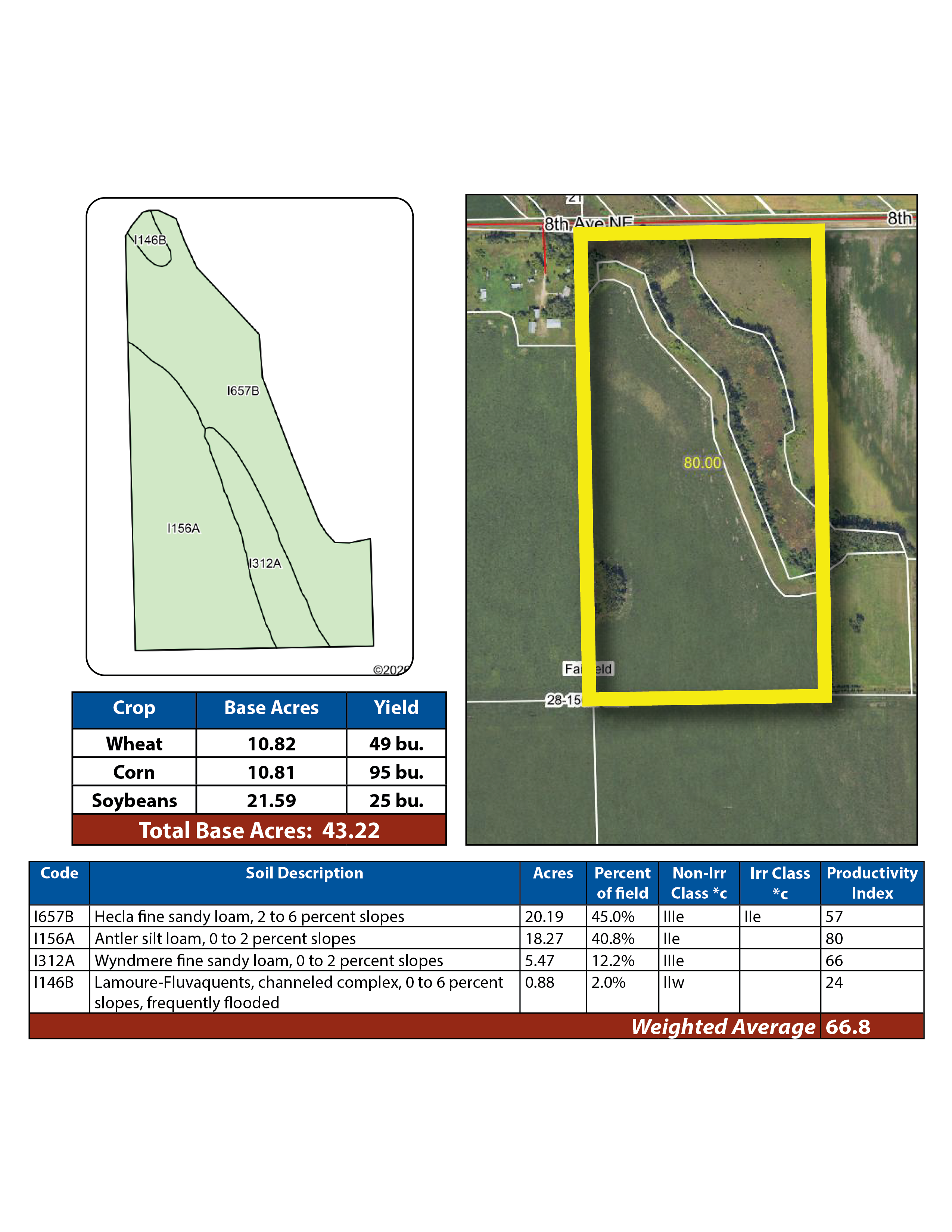
Legal: W½NE¼ 28-150-52
FSA Crop Acres: 43.22 +/-
CRP Acres: 12.14 +/- Acres @ $84.89/ac. - $1,031.00/annually – Expires: 9-30-2032 – Practice No. CP1
CRP Acres: 5.5 +/- Acres @ $92.25/ac. - $507.00/annually – Expires: 9-30-2038 – Practice No. CP37
Taxes: $669.75 (2025)

Tax Parcel #: 12-2801-00002-000

Contact

Agent Photo
Bob Pifer
701.371.8538
bob@pifers.com

I Want More Information


Auction Materials


Driving Directions

From Thompson, ND, go nine miles west to 22nd St. NE and go north one mile to 8th Ave. NE and then half mile west. This will bring you to the northeast corner of parcel 2. Go back to 22nd. St NE and go north 4 miles to 11th Ave. NE and then go west one mile. This will bring you to the northeast corner of parcel 1. (Other good routes from Emerado or the Merrifield Rd. as well)

Pifer’s Annual Land Seminars See Record Attendance

Pifer’s Annual Land Seminars See Record Attendance

Landowners and industry professionals gathered to discuss land values, market trends, cash rent, estate planning and more.

March 13, 2026

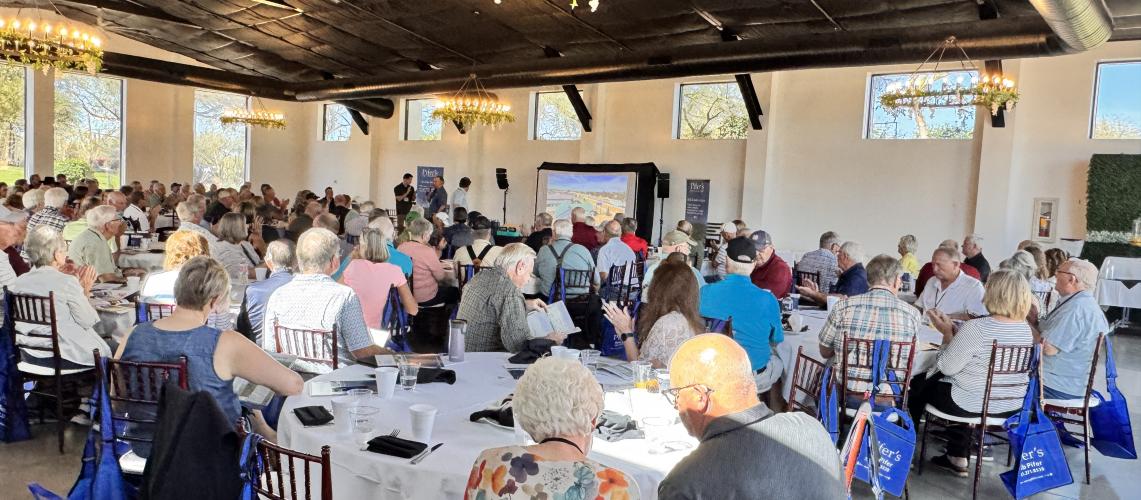
Each winter, Pifer’s hosts its annual Land Seminars, bringing together landowners, investors and industry professionals to discuss the latest trends shaping today’s agricultural land market. This year’s seminars in Florida and Arizona saw record attendance, reinforcing the continued demand for reliable insight into land and equipment values, cash rent trends, long-term land management strategies and estate planning.

This was my first year having the opportunity to attend both the Florida and Arizona seminars. As Pifer’s Marketing Director, I have had the privilege of attending the Arizona seminars the past three years, however, this was my first time helping with the Naples Seminar. Like many of the attendees, I was escaping the North Dakota winter for a few days of sunshine, but the real focus of the trip was connecting with landowners.

While the seminars themselves take place over just a few days, the planning and preparation behind them begins months in advance. Pifer’s Business Associate John Pierce leads the Naples Seminar, while Pifer’s Broker Associate Bob Pifer organizes the Gold Canyon and Mesa Land Seminars, along with the North Dakota Picnic gathering. Shortly after Thanksgiving, Pifer’s marketing team begins working alongside John and Bob to prepare for the upcoming seminar season.

These seminars have become a valued tradition for many landowners, providing an opportunity to stay informed about the land market while also reconnecting with others who share a common interest in agriculture and land ownership. Year after year, attendance continues to grow, which is a direct reflection of the relationships and trust that Pifer’s has built within the agricultural community.

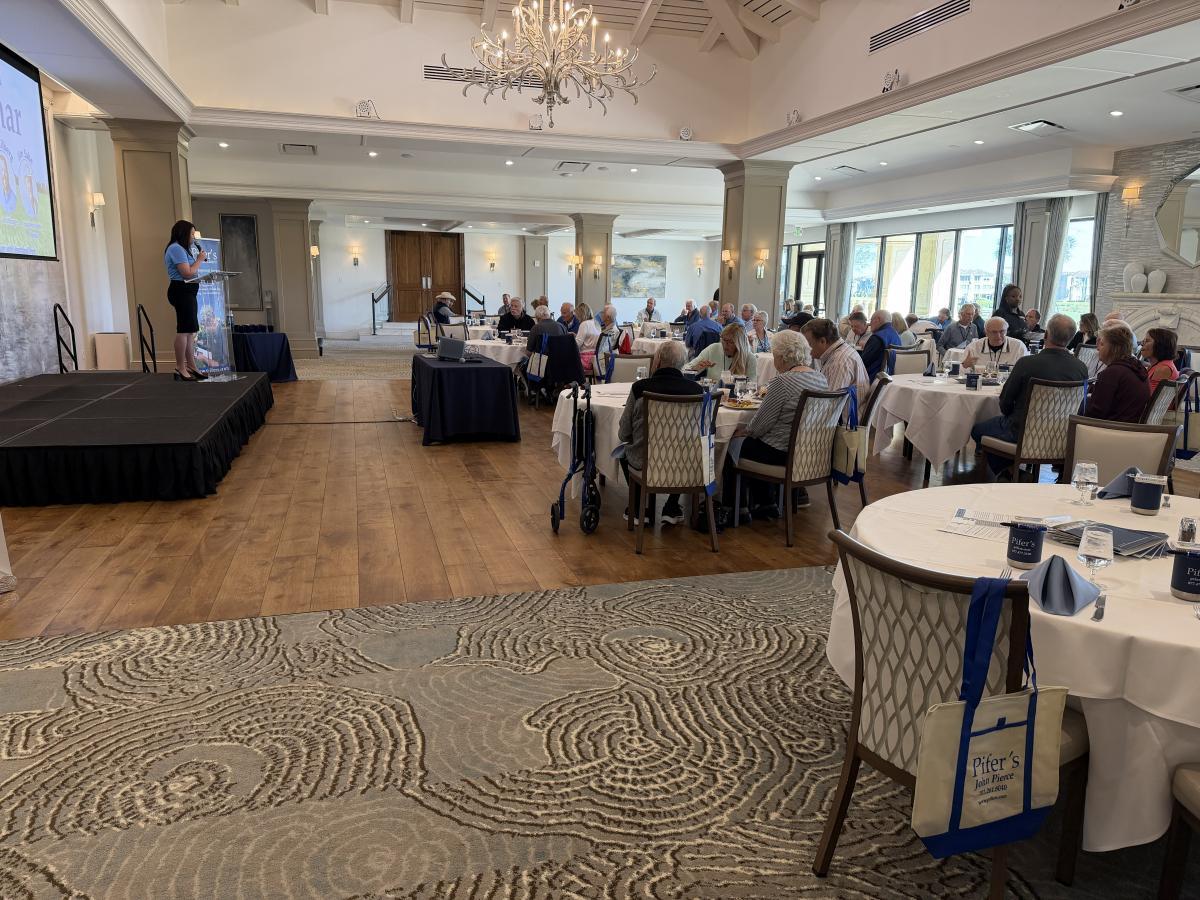
Seminar week kicked off in Naples, Florida, where a rare high of 60 degrees greeted attendees. Even with the cooler weather, more than 50 landowners joined us for the seminar, surpassing last year’s attendance and continuing the strong momentum of the event.

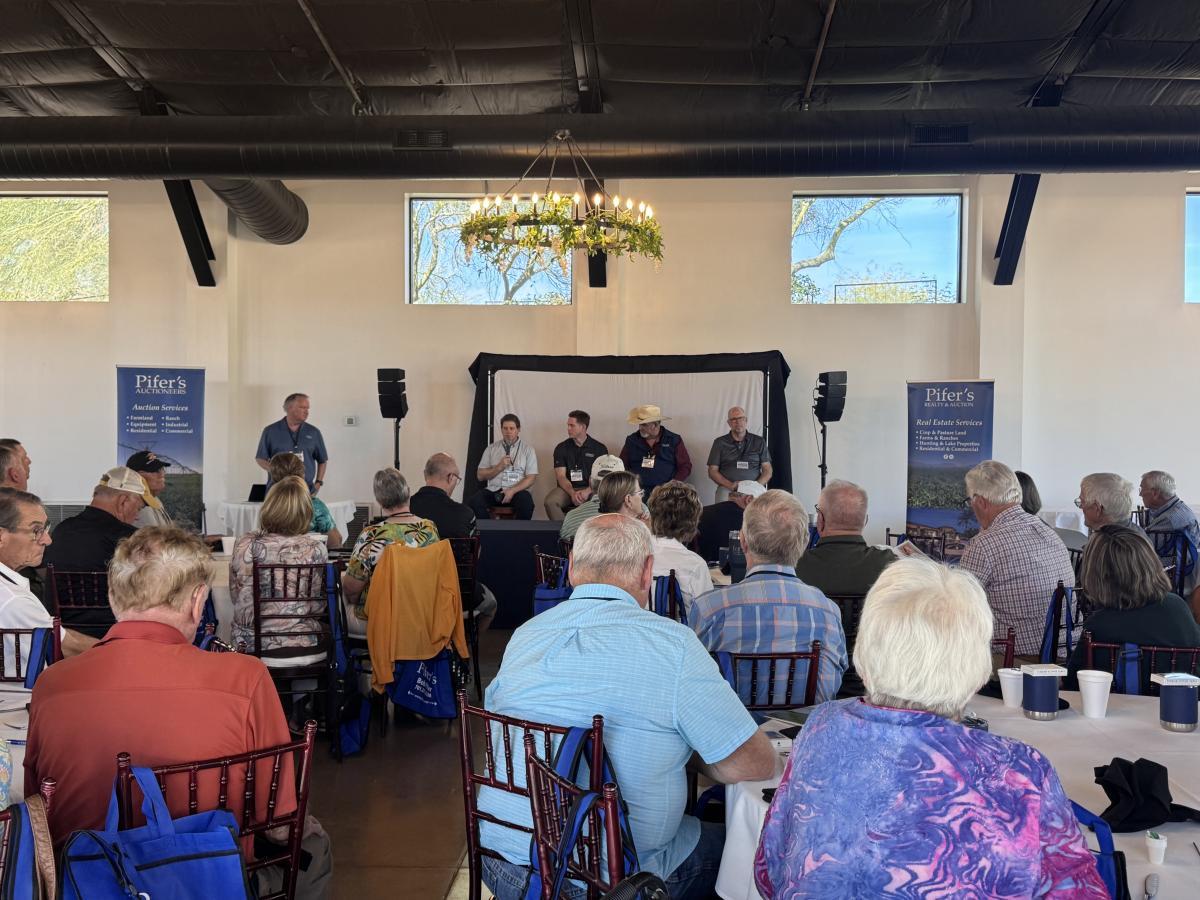
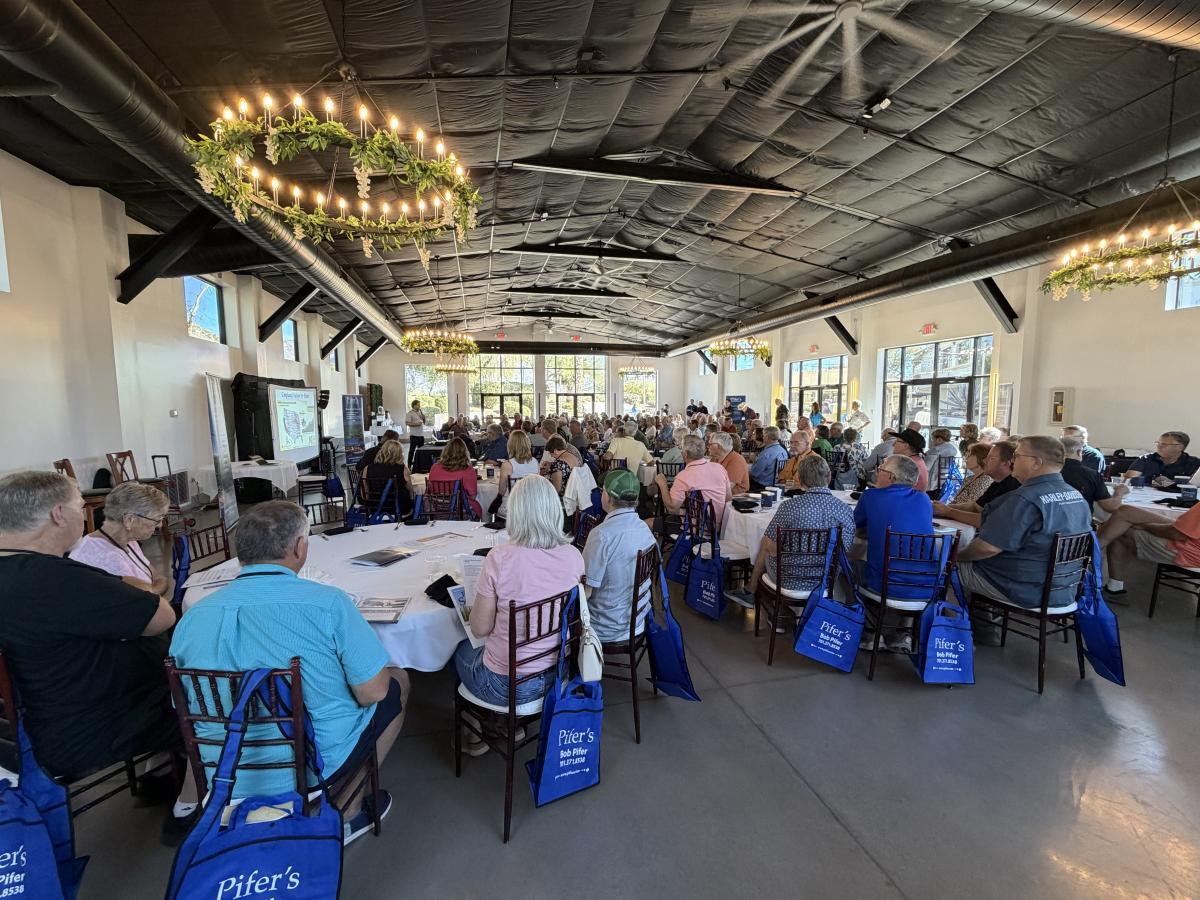
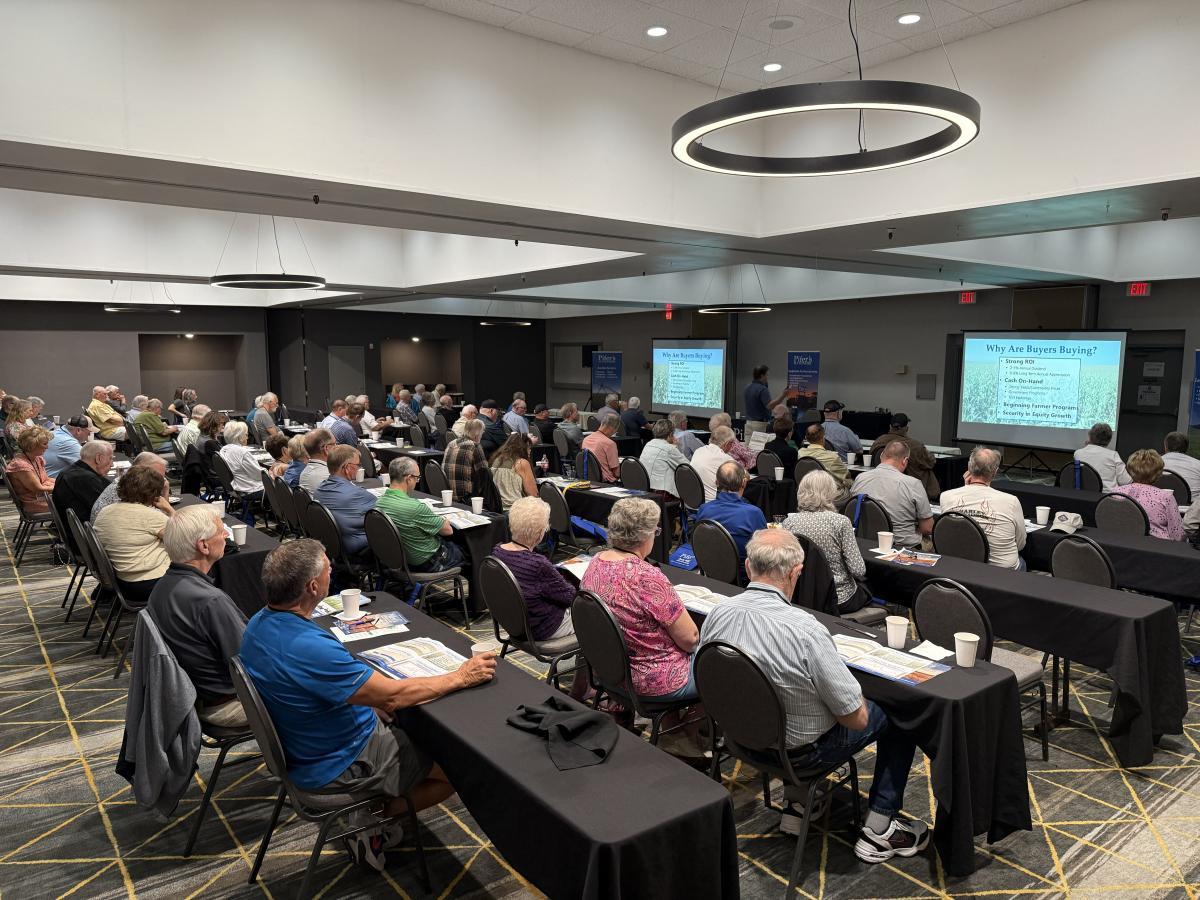
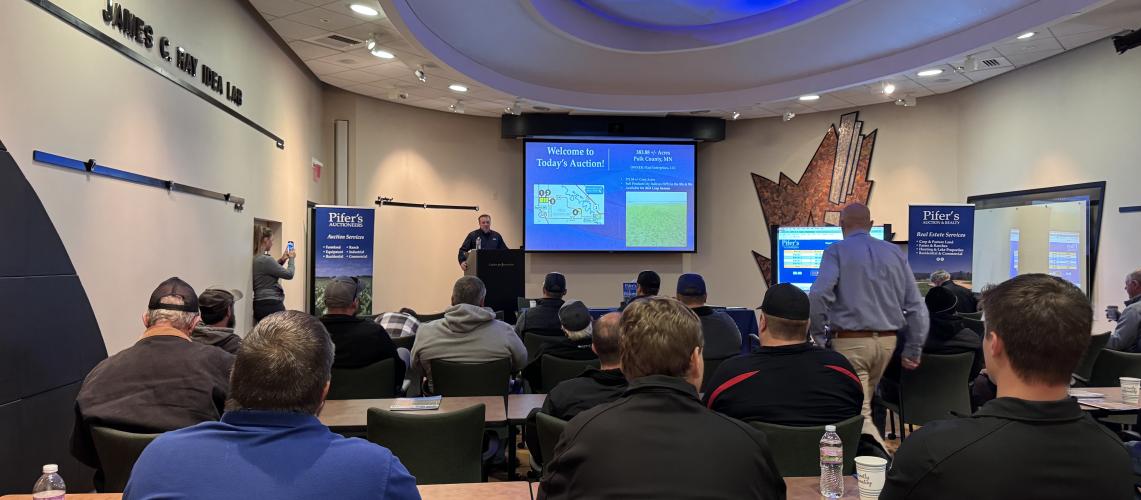
From Florida, we traveled west to Arizona to prepare for Friday’s Gold Canyon Seminar and Saturday’s Mesa Seminar. Both events also saw record attendance, with 132 attendees at Gold Canyon and 64 at Mesa. With a record number of Pifer’s staff members present as well, it provided attendees with plenty of opportunities to connect one-on-one with our team and discuss questions related to land ownership, management and the market outlook.

After attending the seminars for several years, I felt it might be time to add something new to the format. This year, we concluded each seminar with a Q&A panel featuring our speakers. The panel allowed attendees to ask questions in a relaxed and interactive setting, and the response was overwhelmingly positive. One question often led to another, creating meaningful conversations around topics that matter most to landowners today.

(Left to Right) Steve Link, Tyler Berby, Jim Sabe and Jon Benson answer questions asked by the Gold Canyon Seminar attendees.


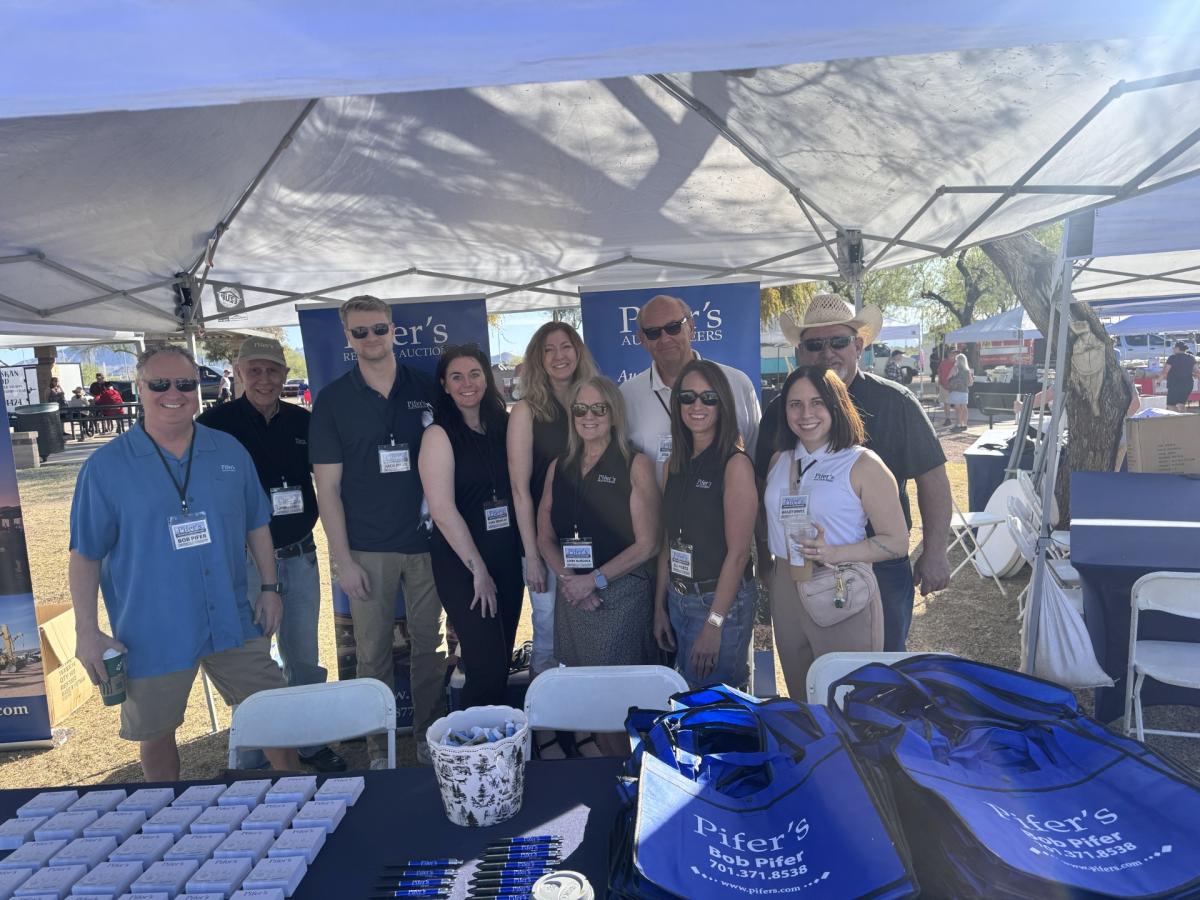
To wrap up the week, Pifer’s hosted a booth at the North Dakota Picnic, an annual gathering that feels like a homecoming for North Dakotans spending the winter in Arizona. The event perfectly reflects the strong sense of community that defines North Dakota. Attendees wore nametags that included their hometowns, and it was incredible to watch how quickly connections were made simply by recognizing a familiar town or last name.

Having grown up in a suburb of the Twin Cities before eventually crossing the Red River and calling North Dakota home, I’ve always appreciated the unique connections people share across the region. Events like the North Dakota Picnic highlight just how strong those ties can be.


Each year, I leave seminar week thinking it will be difficult to top the previous one, but somehow it keeps happening. This year was no exception. From running out of promotional materials to welcoming additional attendees who hadn’t pre-registered and nearly needing to order more food, these are the kinds of challenges that signal a successful event.

The continued growth of the Land Seminars is a testament to the strong relationships Pifer’s has built with landowners across the country. We’re grateful to everyone who attended and helped make this year’s seminars another memorable and successful season.


50 attendees came to the Naples, FL Seminar.
132 attendees at the Gold Canyon, AZ Seminar.
64 attendees at the Mesa, AZ Seminar.
Pifer's Staff at the North Dakota Picnic booth.


Author Bio: Since joining Pifer’s in 2016, Cara Seefeldt has played an integral role in the company’s marketing efforts. She oversees the creation of marketing materials for land and equipment auctions, coordinates company events, and works closely with clients and business partners to strengthen relationships and enhance the Pifer’s brand.

Auction vs. Listing: How Landowners Decide to Sell

Auction vs. Listing: How Landowners Decide to Sell

Two proven paths to a successful sale. What choice is right for you?

March 13, 2026 | Steve Link

One of the first questions landowners ask when they consider selling is a simple one: "Should we list the property or sell it at auction?"

It's a great question, and the honest answer is that both methods work. They just work differently.

The Case For A Traditional Listing

A listing works well when a seller has a clear price expectation and is comfortable being patient. If the buyer pool is smaller or more specialized, a listing gives the property time to find the right match.

Listings also offer flexibility. Price adjustments, extended timelines, and quieter marketing strategies are all on the table. For some sellers, especially those who aren't in a rush, that flexibility is exactly what they need.

The Case For An Auction

An auction is a different animal entirely, and it's one of the most exciting things to watch in the land business.

At auction, the market determines value in real time. Buyers compete openly, and that competition often produces stronger price discovery than anyone expected. There's something powerful about putting qualified buyers in the same room (or on the same bidding platform) and letting them tell you what the land is worth.

Auctions also compress the timeline. Instead of months of wondering, the process concentrates buyer attention into a focused window. Sellers get clarity, and they get it fast.

Another major advantage is transparency. Buyers know they're competing against real people with real money. Sellers know the result reflects genuine market demand, not a guess.

Here's something worth noting: in strong agricultural markets, well-run auctions frequently exceed pre-sale expectations. When you bring multiple motivated buyers together for a quality property, good things tend to happen.

So Which One Is Right?

There isn't a universal answer, and anyone who tells you otherwise is oversimplifying.

The best approach depends on the land itself, the number of potential buyers, the seller's timeline, and the broader market conditions. A great broker will walk through all of those factors before recommending a strategy.

What matters most is choosing a path that fits the property and the goals of the seller. The method should serve the situation, not the other way around.


Author Bio: Steve Link is a broker with Pifer's Auction & Realty, specializing in farm, ranch, and recreational land across the Upper Midwest. Steve grew up on a farm near Milan, Minnesota and earned a degree in Natural Resource Management from North Dakota State University (NDSU). With decades of experience in land sales, auctions, and land management, Steve works closely with landowners, investors, and agricultural operators to help them make informed decisions about one of their most valuable assets, land.
Pifer’s Opens Regional Auction Facility in Devils Lake

Pifer’s Opens Regional Auction Facility in Devils Lake

Expanding land and equipment auction services across northcentral North Dakota.

March 13, 2026 | Cara Seefeldt

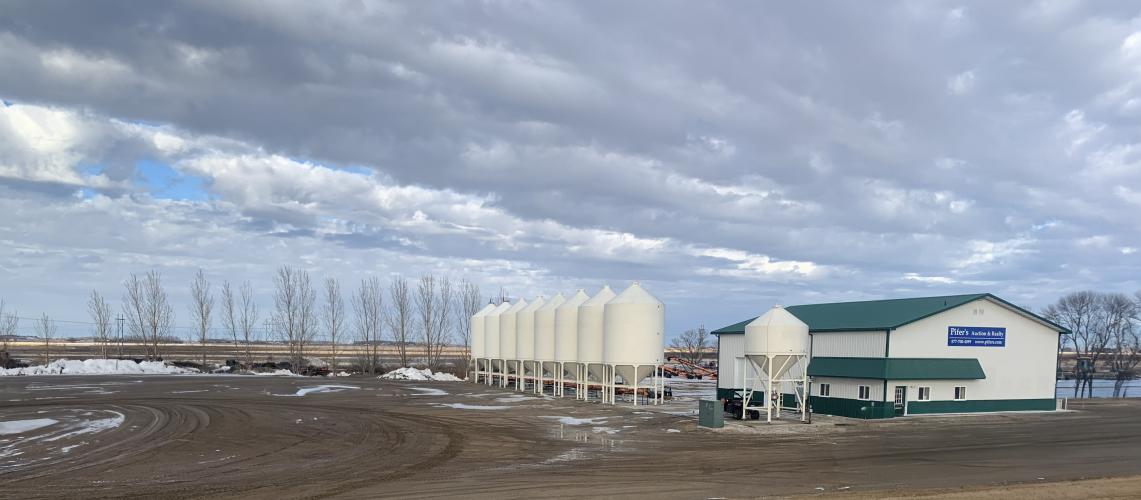
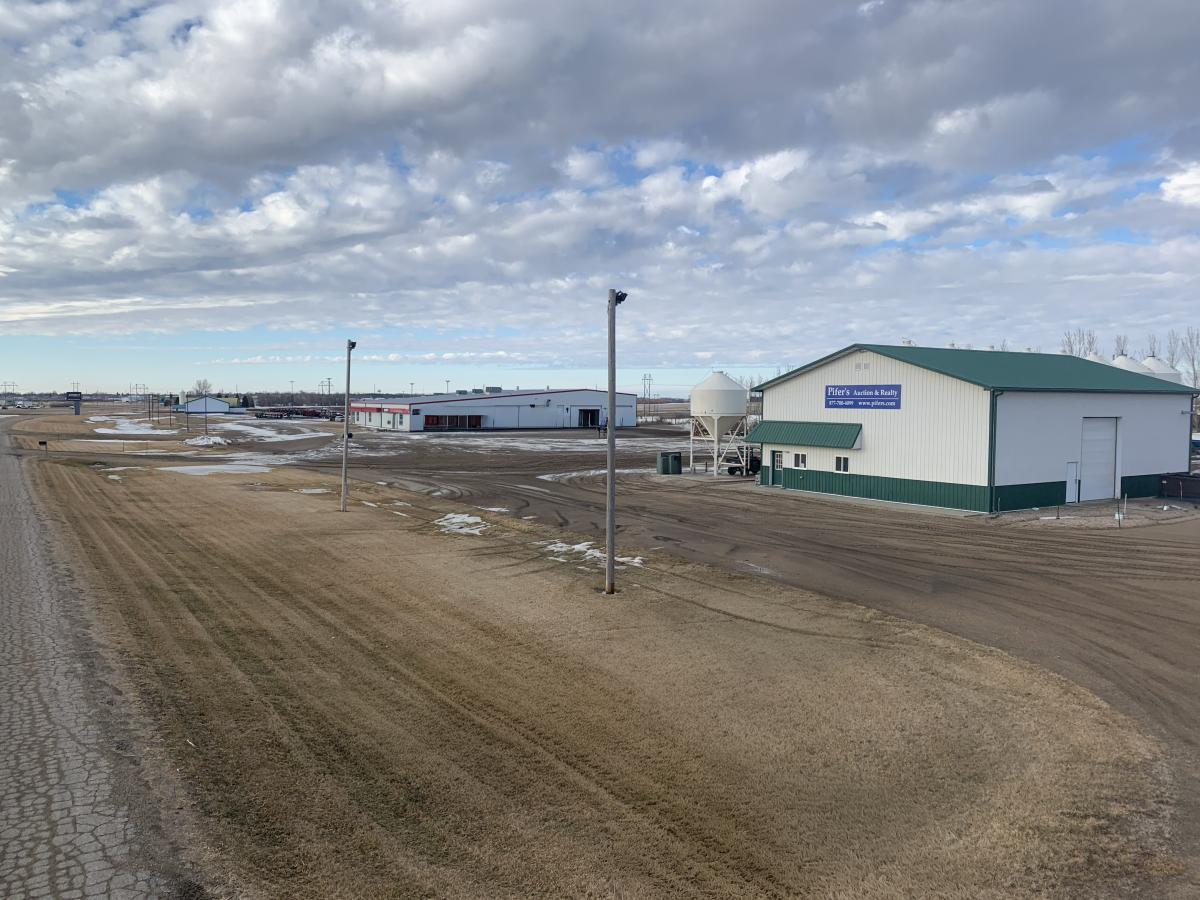
Pifer's Auction & Realty continues to expand its presence across North Dakota with the opening of a new regional office in Devils Lake. Located just off Highway 2 east of Devils Lake, the new facility strengthens Pifer’s ability to serve landowners, farmers, and equipment sellers throughout northcentral North Dakota.

The opportunity came unexpectedly when a longtime client and friend approached Kevin Pifer about selling his business property. Recognizing the location’s potential and strong Highway visibility, Kevin saw the chance to establish a regional hub for land and equipment auctions in the area.

Pifer’s officially took ownership of the property in early November and immediately began preparing the site for future auctions and events. The four-acre lot received a major facelift with newly poured gravel in the lot, creating an ideal display area for equipment consignment and auction inventory.

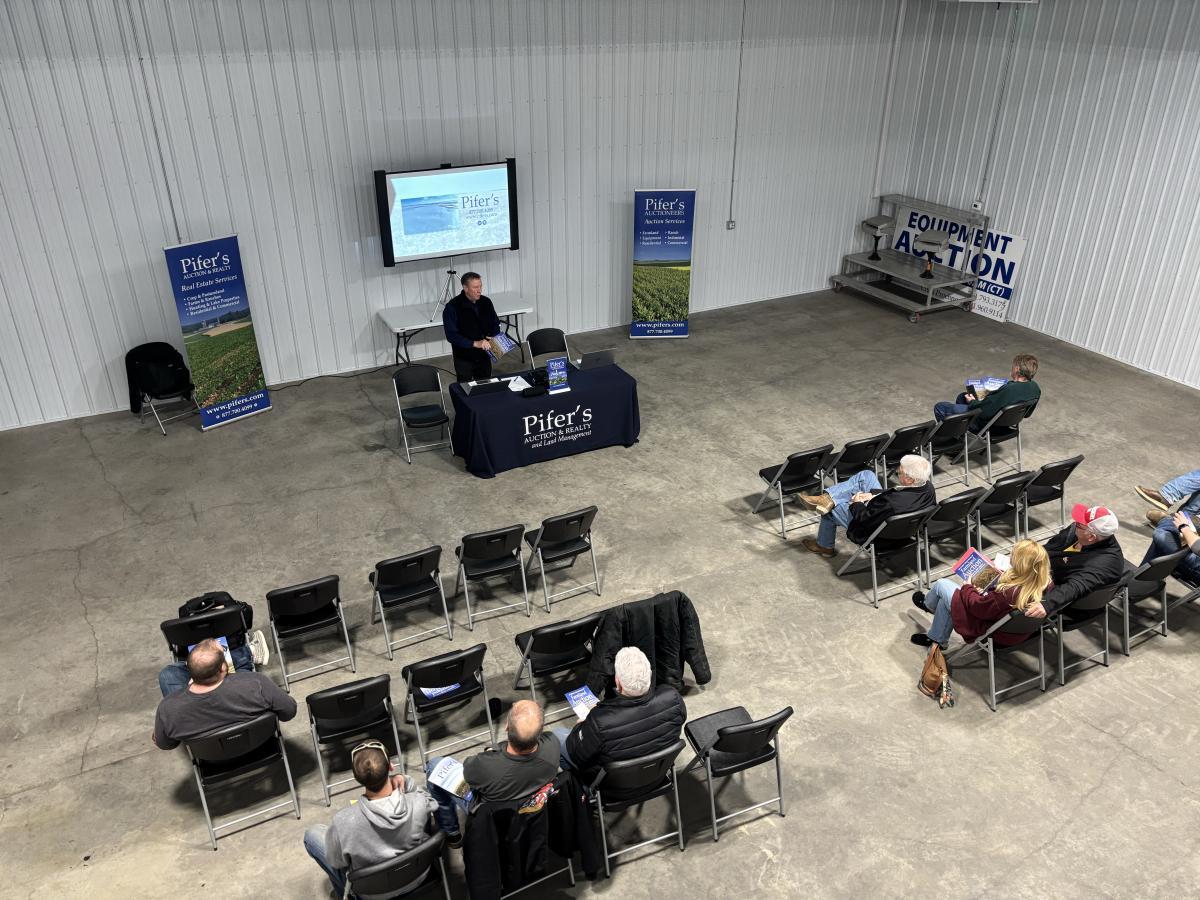
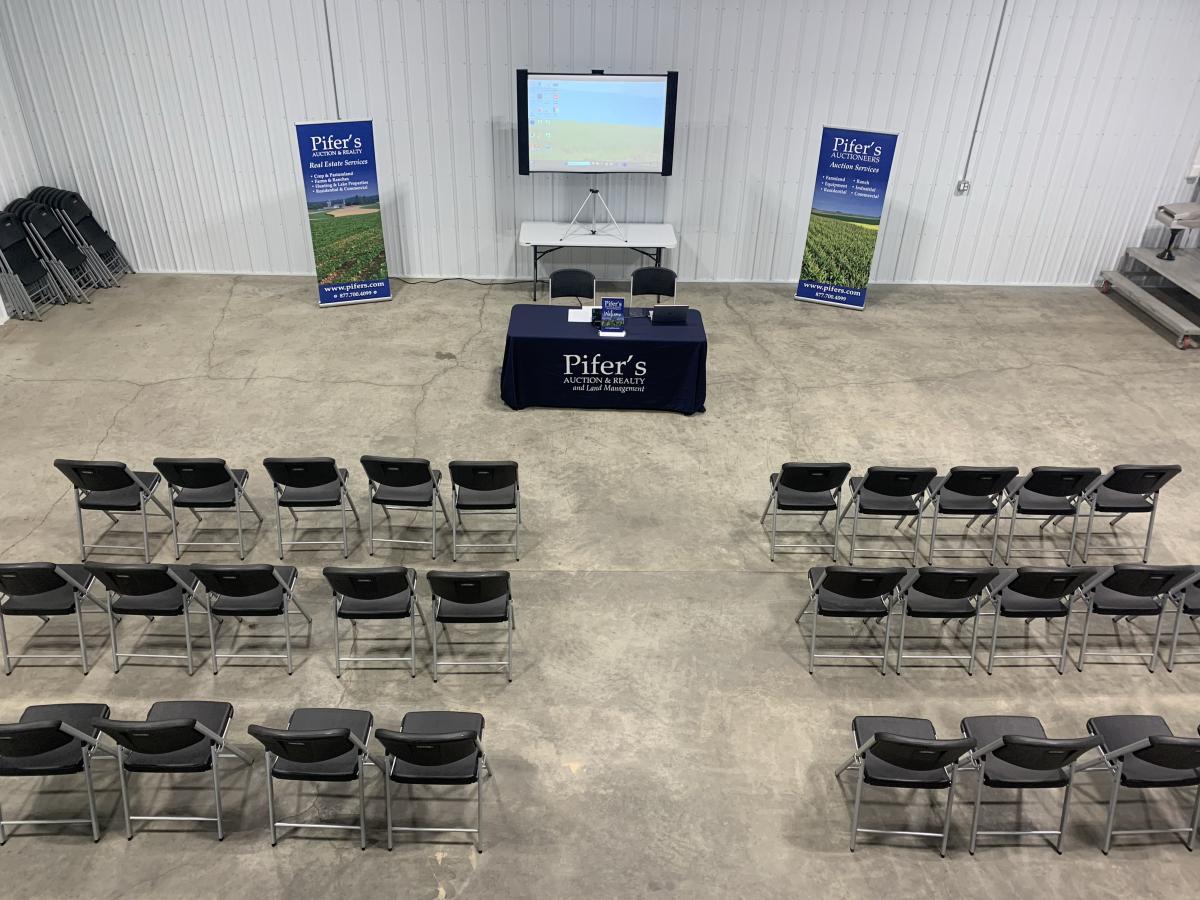
Regional Equipment Managers Cliff Sanders and Chris Prochnow led improvements to the building’s interior, installing new insulation in the shop area to create a comfortable and functional space for hosting live auctions. Updated flooring and new furnishings have transformed the building into a welcoming auction hall designed with Pifer’s clients in mind.
Successful First Land Auctions at the New Facility

On March 10th, Pifer’s hosted its first land auctions in the facility’s auction hall. The event drew strong attendance and competitive bidding, producing excellent results for the sellers.
The ability to host live land auctions in this central location opens the door for more opportunities throughout the region. Local landowners now have convenient access to Pifer’s proven marketing and auction services without needing to travel across the state.

Kevin Pifer introduces the two land auctions on March 10th in the new Devils Lake Facility.
 
Northeast North Dakota Equipment Auction Scheduled

Pifer’s will continue building momentum with its inaugural Northeast North Dakota Equipment Auction on May 19th. The auction lot is already filling with inventory, and the property’s high visibility along Highway 2 provides natural exposure to passing traffic, which is one of the most effective forms of advertising for upcoming sales.

As the facility grows, the Devils Lake location will serve as a key destination for equipment auctions and regional agricultural events.

Serving the Agriculture Community

Pifer’s Devils Lake regional team of land agents and equipment specialists is ready to assist buyers and sellers across northcentral North Dakota. Whether you are considering selling farmland, marketing farm equipment, or planning an upcoming auction, the team is available to help guide you through the process.

Call today to schedule your 2026 land or equipment auction and learn how Pifer’s can maximize the value of your assets.


Pifer's is now located east of Devils Lake on Highway 2.
The treated lot along Highway 2 offers great visibility of inventory.
Large shop space offers comfortable bidding atmosphere to buyers.


Author Bio: Since joining Pifer’s in 2016, Cara Seefeldt has played an integral role in the company’s marketing efforts. She oversees the creation of marketing materials for land and equipment auctions, coordinates company events, and works closely with clients and business partners to strengthen relationships and enhance the Pifer’s brand.