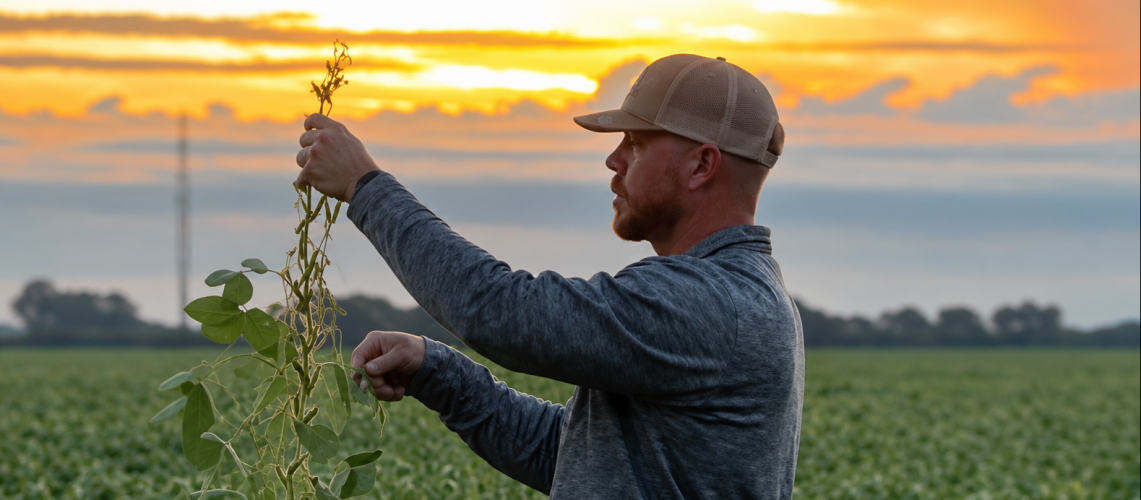
Crop Conditions Across the Upper Midwest
Field observations and crop condition updates from Pifer's Land Managers across North Dakota, Minnesota, South Dakota, Wisconsin, Iowa, and Nebraska.
Jared Steinbeisser
Southwestern North Dakota
The crops in Southwestern ND appear to be in okay condition as we continue through a major heat wave with little to no rain. The crops seem to be maturing quickly and are beginning to show signs of stress. If they don’t receive rain soon, conditions are expected to worsen.
The recent stretch of heat has pushed crop development ahead of normal, and harvest activity is expected to begin earlier than usual in some areas if these conditions persist.
The sunflowers are looking good as they are entering their early bloom stage. The yellow flower is vibrant.
Small grains seem to be progressing rapidly. Some farmers are having to cut small grain crops for hay because of low yields or light test weight. Forage will be a premium in areas and we are seeing hay prices increase dramatically.
The beans look good and are moving along with small pods forming and developing. There are no major signs of stress at this time.
The corn is looking good in some areas and very stressed in others, showing color loss as it enters the tassel growth stage. In some areas, farmers are having to chop corn for silage. Corn pollination will be an important factor to watch over the coming weeks, as continued heat and limited moisture may further impact yield potential in the most stressed fields.
Canola seems to be holding and maturing rapidly, befitting from the rain received in late June. Yields are already established, however, the extreme heat will accelerate maturity.
Pastureland is starting to brown, with forage beginning to thin and grasses showing signs of stress. Many ranchers are looking for hay, while others are implementing grazing rotations to reduce pressure on their pastures. Another concern to keep an eye on is water availability. With the continued heat, many stock ponds and dugouts are seeing water levels drop as temperatures remain high.
Tyler Berby
Central North Dakota
Around the Jamestown and central North Dakota area, crops are holding on fairly well overall, but the last couple of weeks have definitely taken some of the shine off. Earlier in the season there was a lot of optimism, but the recent heat and lack of widespread rainfall are starting to show up in the fields. It seems like everyone could use a good soaking rain right now. Recent temperatures have been well above normal, and drought concerns have expanded across parts of the state.
Wheat still has decent yield potential in many areas, but I think some of the top-end yield has probably been taken off where moisture has been short. Corn and soybeans generally look respectable, but they are entering a stage where timely rains are going to make a big difference. Like most years, the story is going to come down to who caught the spotty rains and who missed them.
Pastures are starting to feel the effects of the heat as well, and there is definitely some concern if this pattern continues into August. Most producers I've talked with aren't panicking, but they're keeping a close eye on the forecast and hoping for a change in the weather. Overall, I'd describe the crop as average to slightly above average in the better areas, with some fields slipping back toward average where the heat and dryness have been more severe. If we can catch some timely moisture, there is still a lot of potential left out there.
As always, farmers and ranchers are staying optimistic and looking ahead to harvest, but a good rain would go a long way right now.
Dwight Hofland
West Central North Dakota
Dry conditions have had an impact on both hayland and pastureland. Hayland continues to be cut and baled at a rapid pace, but most areas are well below average in production. Pastureland continues to show stress from dry condition, and we are seeing cattle being removed early from lack of grass and poor water sources. Water sources for pasture are becoming a concern for those without access to a fresh water supply. Stock dams and sloughs are beginning to dry up, and some are showing elevated nitrate levels, creating additional concerns for cattle in these dry areas.
Some small grains fields are being harvested for hay with reports in far western North Dakota of corn also being cut and baled due to drought condition. Soybeans are behind, with plants flowering but showing few pods developing on the lower portions of the plants. Timely rains will be crucial going forward for an average crop production.
Corn is showing signs of stress with stalks and leaves drying up in areas of lighter soils and dry conditions. Plants are tasseling and in the silk stages. Timely rains is needed to just maintain an average crop at this time.
Gavin Hlubek
Northern North Dakota
Small grains: Western fields are burning up fast, while spots that had rain are greener and hanging on. Central and eastern acres are starting to turn as well. Maturity is running ahead of normal in many areas, and heads are lighter where moisture has been short. Most expect harvest results to be lower than average in the driest areas, and some producers are still waiting to see how grain quality shapes up before deciding whether to harvest for grain or cut for hay.
Canola: Canola has a little bit of everything this year. Some fields are already showing color change while others are still flowering. The earlier seeded crop looks better, especially where moisture came at the right time. Later fields are shorter and struggling more in dry areas, with lighter pod set than growers would like to see. Depending on where you go, the crop can look good or a little rough.
Corn: Corn conditions vary a lot across the region. Fields that caught rainfall have decent color and growth, and many are tasseled and moving into cob development. Other fields have been fighting dry conditions most of the summer and are showing it. Firing leaves, shorter plants, and thinner stands are more common in those areas. The crop still has time, but it could use some moisture in August.
Soybeans: Soybeans are showing the same conditions. In areas with moisture, plants have filled in nicely and are entering pod development. Where rainfall has missed, beans are shorter and show more stress. Some fields seem to be moving through development faster than normal just because they are running short on moisture. There is still potential, but conditions can change quickly depending on the weather.
Peas: Peas are moving along fast. Acres that were fortunate enough to get some showers are holding on, but many others are burning up quickly in the heat. The differences between good fields and rougher fields are easy to spot. Harvest could start earlier than normal in some areas, and yields are expected to be lighter where it has been dry.
Flax: Flax remains uneven. Some fields still have decent color and look good, especially where rainfall has been more consistent. In the drier areas, stands are thinner and maturity is moving quickly. As with most crops this season, rainfall has been the biggest factor separating the good fields from the rougher ones.
Sunflowers: Sunflowers are generally shorter than normal, but head development is progressing. Better fields still look promising and could put together a decent crop if August brings some rain. In the drier areas, plants are starting to show more stress, and yield expectations are lower. The next few weeks will be important for seed filling.
Summary: Variable is probably the best way to describe this year's crop. Rainfall has made all the difference, and the difference between the best fields and the poorest fields continues to widen. Heat and dry conditions have pushed several crops ahead of their normal pace, especially in western areas. As harvest comes closer, yield expectations are becoming more realistic, and for many crops across northern North Dakota, August rainfall will likely determine how much potential there will be.
Morgan Almer
Eastern North Dakota and Western Minnesota
Crops across the Red River Valley are still in fair condition, but they are in desperate need of moisture. If significant rain doesn't arrive soon, plants will become increasingly stressed and yield potential will begin to decline.
Farmers have started harvesting small grains throughout the valley.
Harvest activity is beginning earlier than normal in some areas as recent heat has accelerated crop maturity and pushed crops along quickly.
Edible bean fields continue to look good, with pods developing well on the plants.
Soybeans plants are just beginning to develop pods.
Corn plants have the beginnings of cobs forming but the cobs are very small at this point.
As corn moves through pollination and early kernel development, timely rainfall over the next few weeks will be critical to maintaining yield potential.
Sugar beets look okay and are growing steadily, with nice canopies developing over the rows.
Yield expectations continue to vary considerably across the region, with differences becoming more noticeable between areas that received scattered rainfall and those that missed recent moisture events.
Ben Tilberg
Wisconsin and Southern Minnesota
Much of Wisconsin and southern Minnesota experienced another warm, mostly dry week, allowing fieldwork to progress while increasing crop water use during a critical stage of development. Rainfall remained highly variable, with isolated thunderstorms providing localized relief, but many areas missed meaningful precipitation. As a result, soil moisture reserves continue to decline, particularly across western and southern Minnesota, where drought conditions have expanded over the past several weeks.
Wisconsin corn is progressing through tasseling and silking, with many early-planted fields now entering the blister stage. Soybeans are primarily between full bloom and beginning pod set. While crop conditions remain favorable across much of the state, additional rainfall will be important to support successful pollination, kernel development, and pod retention through early August.
Across southern Minnesota, corn development remains well ahead of the five-year average. Most fields in west-central, south-central, southwestern, and southeastern Minnesota have completed pollination and are currently between the R2 (blister) and R4 (dough) growth stages. Soybeans are advancing rapidly through reproductive development, with most fields ranging from R3 (beginning pod) to R5 (beginning seed). Warm temperatures have accelerated crop maturity, but have also increased daily water demand during grain fill and seed development.
The latest U.S. Drought Monitor shows expanding areas of abnormally dry and moderate drought across both Wisconsin and Minnesota. Approximately 44 percent of Minnesota's topsoil is now rated short to very short on moisture, while portions of Wisconsin are beginning to experience similar drying trends. Although overall crop conditions remain above average, fields on lighter soils and higher landscape positions are beginning to show signs of moisture stress during the afternoon.
Overall yield potential remains strong throughout the region. Timely rainfall over the next two weeks will play a significant role in determining kernel depth in corn and seed size in soybeans as crops enter the critical grain-fill period.
Neil Broughton
South Dakota, Iowa and Nebraska
So far 2026 has been filled with spotty rain events with big payoffs for the farmers/ranchers that get the moisture. Overall, the crops look pretty good across the three states. Yes, more rain is needed but for all the hardships that this crop has already seen. It looks amazingly well. The areas of the most concern are central/western Nebraska and South-central South Dakota. These areas have been in a drought for multiple years now and there is no sign of that lessening in the near future. In these areas farmers are cutting row crops now for feed for livestock and ranchers are moving cattle out of pasture much sooner than normal. Some of the Ranchers are supplemental feeding with grass hay. So, with that being said, hay prices have spiked in the last few weeks. Demand is strong. I’ve heard of a few guys selling off portions of their herds due to lack of feed. But Everyone knows how hard it is to buy back once you sell an animal. So, many are going to buy feed over selling of the animals. The row crop guys are not out of the woods if they get rain. Disease and insect issues have been spotted in many of the corn and soybean fields. Drones and crop dusters planes have been hitting the sky trying to get ahead of the problems. So, heading into fall it’s tough to give an overall statement of the yield forecast but average to slightly below average is what I would expect. One thing is for sure the farmers and ranchers in these states have seen and been through a lot. Many are not giving up the fight and are looking to the future. Many are negotiating leases for 2027 and beyond. So, let’s all pray for rain and get ready for the busy harvest season to come.